Drives and inverters
J599HV and EV01 serve industrial drives, motor controllers and inverters; XCD carries dedicated power, and mixed-power J30J serves compact servo controllers.

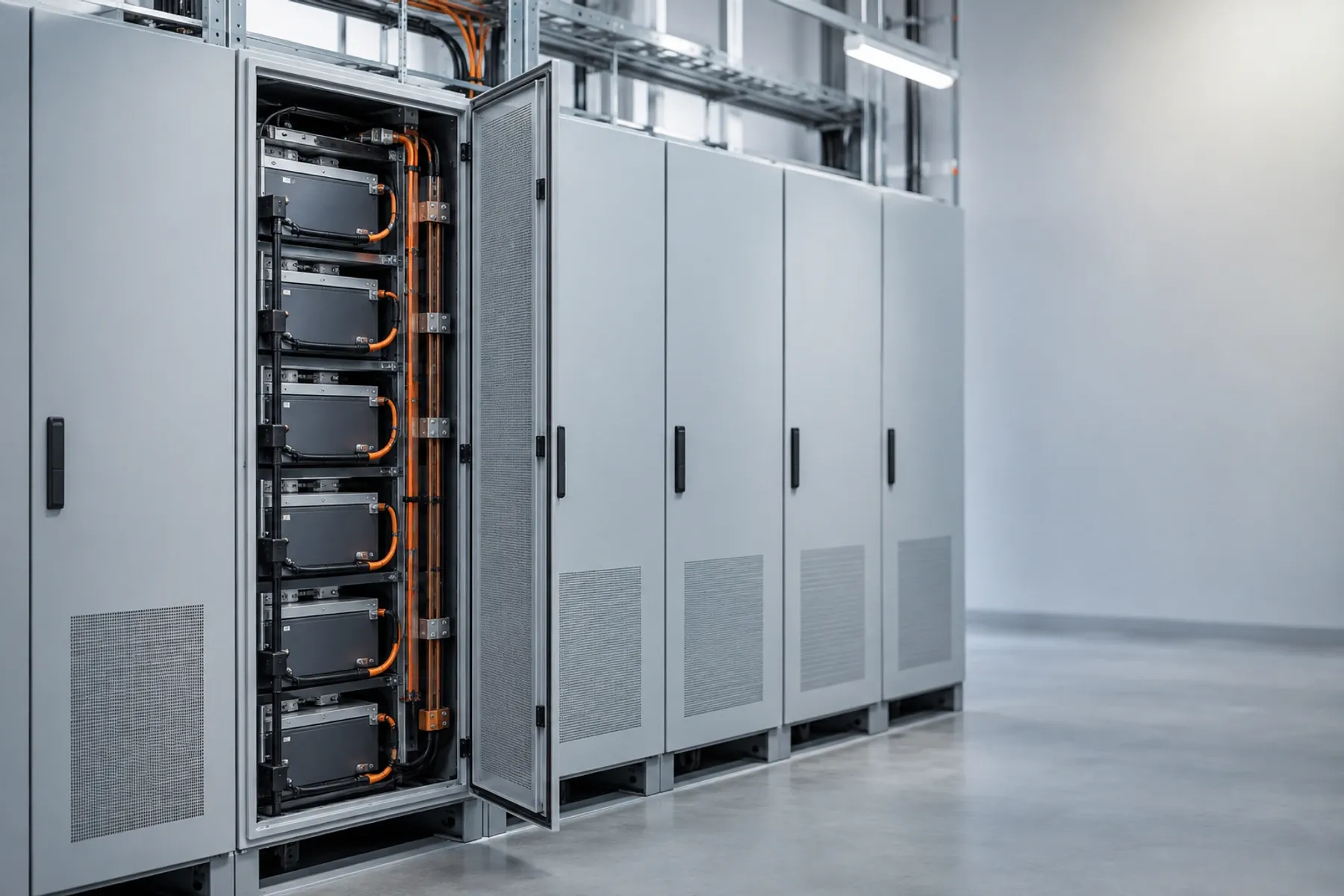
Inverters, battery systems and drives combine high voltage and current with liquid cooling in compact enclosures.
J599HV carries up to 300 A with 3500 V withstanding voltage and an optional HV interlock; LTK-T and TSA fluid connectors couple cooling loops; SYRMD and J30J mixed-power connectors bring power and signal through one board connector.
O-ring sealed feedthrough studs, standard range
J599HV power contacts, 3500 V withstanding voltage
TSA maximum flow, 20 bar working pressure
EV02 floating mount in X, Y and Z (40-contact version)
J599HV and EV01 serve industrial drives, motor controllers and inverters; XCD carries dedicated power, and mixed-power J30J serves compact servo controllers.
EV01, QHT02C and EV02 serve battery packs and energy storage. EV02 gives battery-swap systems a guided, floating interface; O-ring feedthrough studs bring high current through sealed walls.
TSA and LTK-T couple liquid-cooling loops for power electronics; SYRMD and mixed-power J30J carry power and signal on one board connector.
J599HV carries 80–300 A per contact, XCD 25–300 A and KH 5–800 A; O-ring feedthrough studs reach 1000 A.
J599HV withstands 3500 V and offers an HVIL version. QHT02C is rated 1000 VAC working voltage and 3000 VAC withstanding voltage.
The 40-contact EV02 floats ±5 mm in X, Y and Z, with guide features for blind mating and ≥ 10,000 mating cycles.
TSA covers 2–94.2 L/min and LTK-T 2–60 L/min, both at 20 bar working pressure.
TSA runs from −55 to +95 °C with EPDM seals and to +155 °C with fluorosilicone; LTK-T runs from −55 to +175 °C.
SYRMD combines 3 A signal contacts with 13 A or 23 A power contacts; mixed-power J30J combines 20 A power with 3 A signal.
Swipe left or right to see all columns.
| Series | Current | Contacts | Withstanding voltage | Sealing | Mating cycles | Datasheet |
|---|---|---|---|---|---|---|
| J599HV | 80–300 A per contact | 1 to 4 | 3500 V | IP65 | 500 | PDF, 250 KB |
| EV01 | 30–300 A | 1, 2 or 3 | 3000 VAC | IP67 (mated) | ≥ 5000 | PDF, 172 KB |
| QHT02C | 300 A | 1 | 3000 VAC | IP67 | > 500 | PDF, 148 KB |
| EV02 | Up to 250 A power; 10 A control | 13 or 40 | 4000 VAC power / 1500 VAC control | IP65 (mated) | ≥ 10,000 | PDF, 164 KB |
Swipe left or right to see all columns.
| Series | Bore | Maximum flow | Working pressure | Temperature | Mating cycles | Datasheet |
|---|---|---|---|---|---|---|
| TSA | 3 to 20 mm | 2–94.2 L/min | 20 bar | −55 to +95 °C (FVMQ to +155 °C) | 1000 | PDF, 201 KB |
| LTK-T | 3 to 16 mm | 2–60 L/min | 20 bar | −55 to +175 °C | 500 | PDF, 189 KB |
Give continuous and peak current and duty cycle for each power circuit, with wire gauge or bus-bar and lug sizes.
Give working voltage and transients, and tell us whether the layout needs an HVIL circuit; J599HV offers one.
Give cycle count, mounting and alignment. EV02 uses a guided floating mount; EV01 and QHT02C use push-pull coupling.
Give coolant, flow, available pressure drop and temperature; the bore sets the pressure drop.
Send the pin-out, board layout or port drawing, and we will review your project.
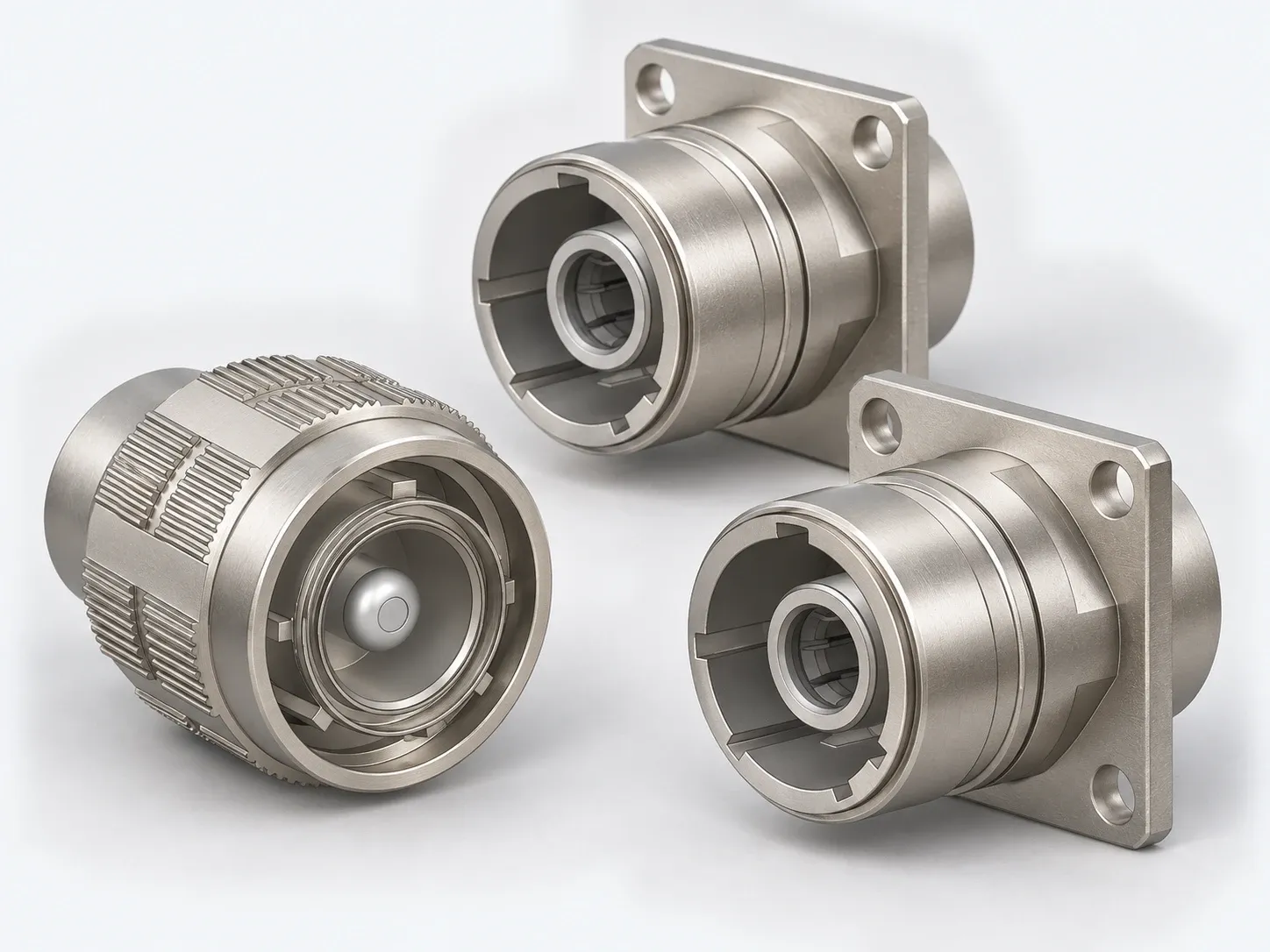
Up to 300 A · 3500 V withstanding · IP65 · HV interlock option
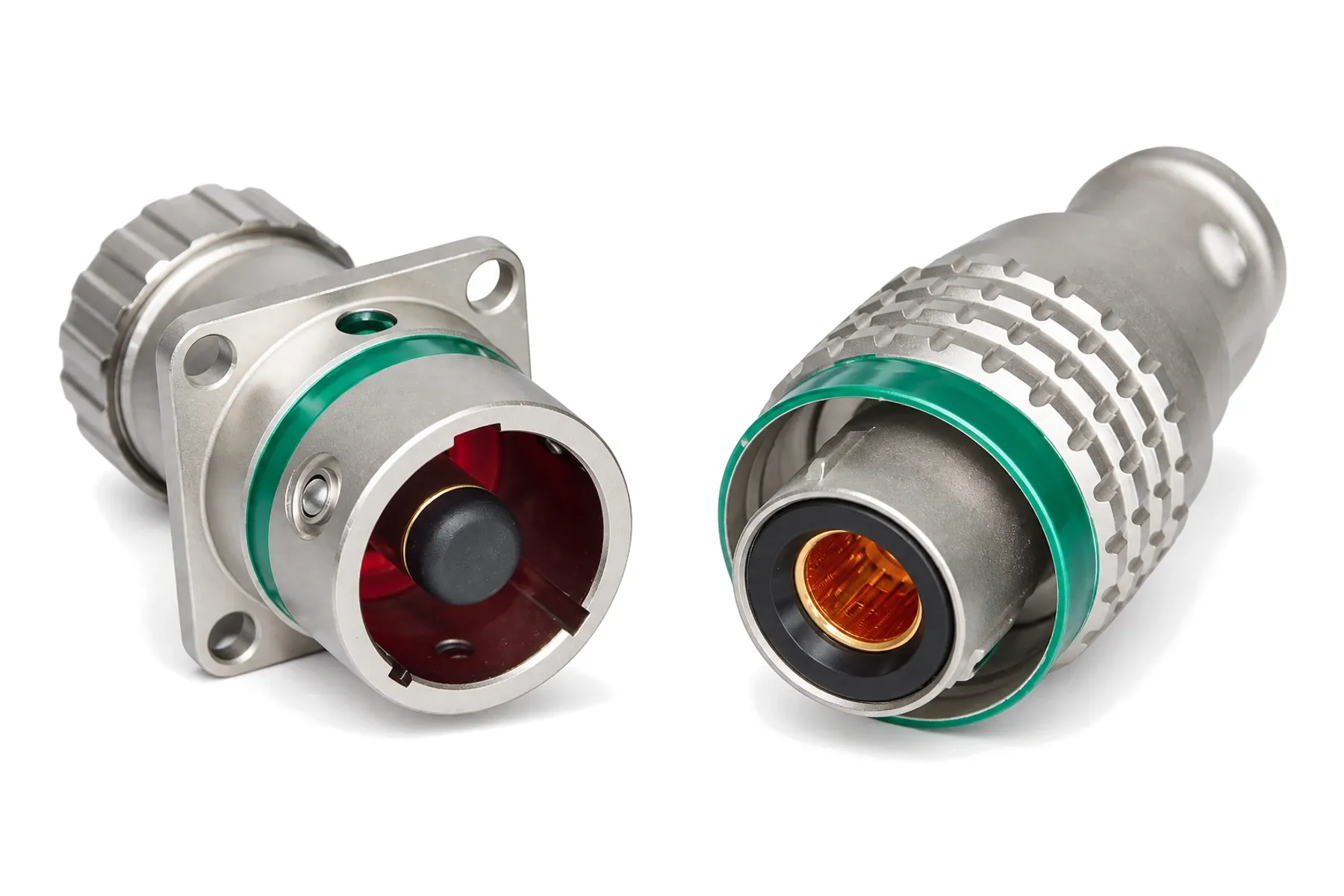
30–300 A · IP67 · 5000 cycles · push-pull
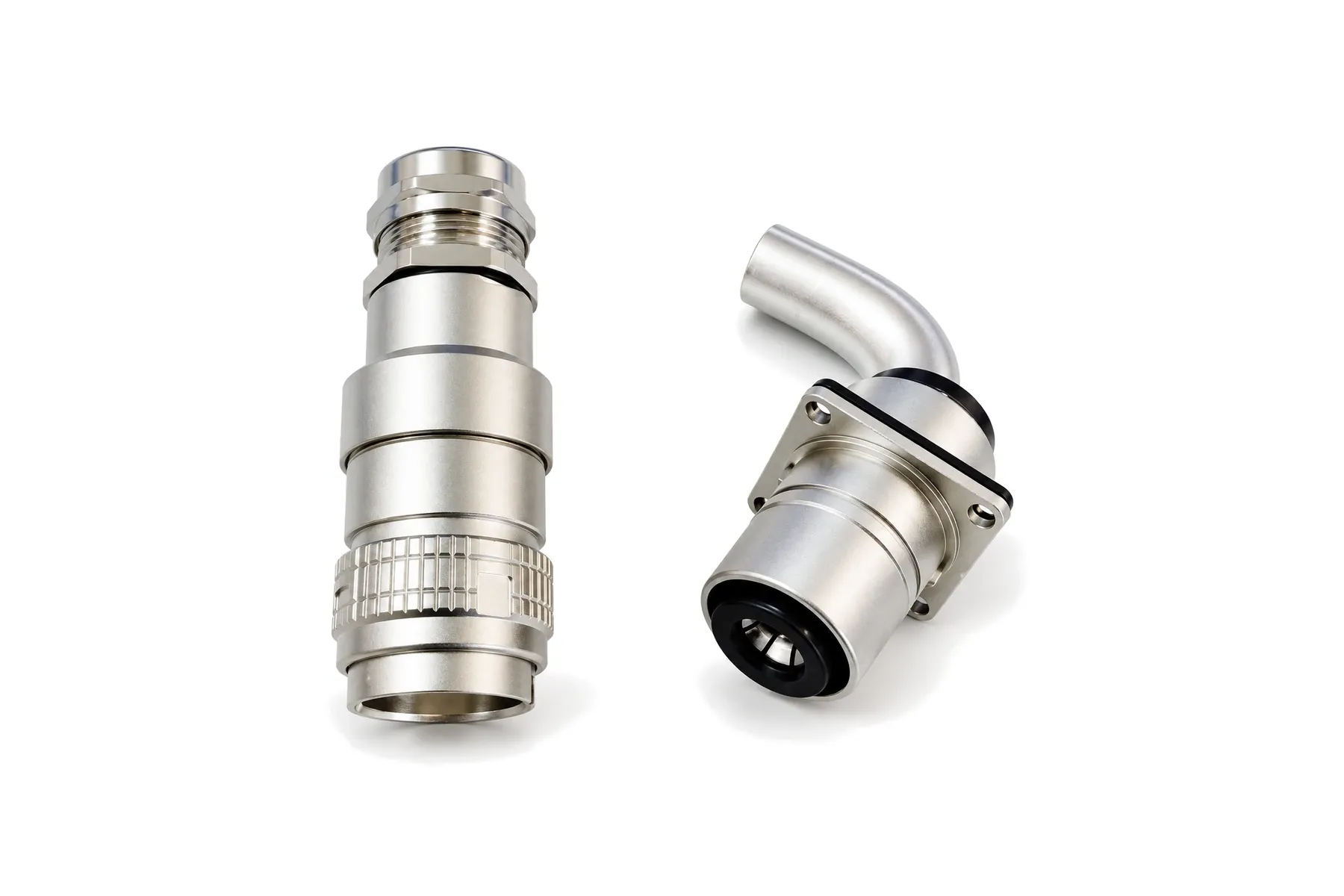
300 A · 1000 VAC · push-pull · IP67
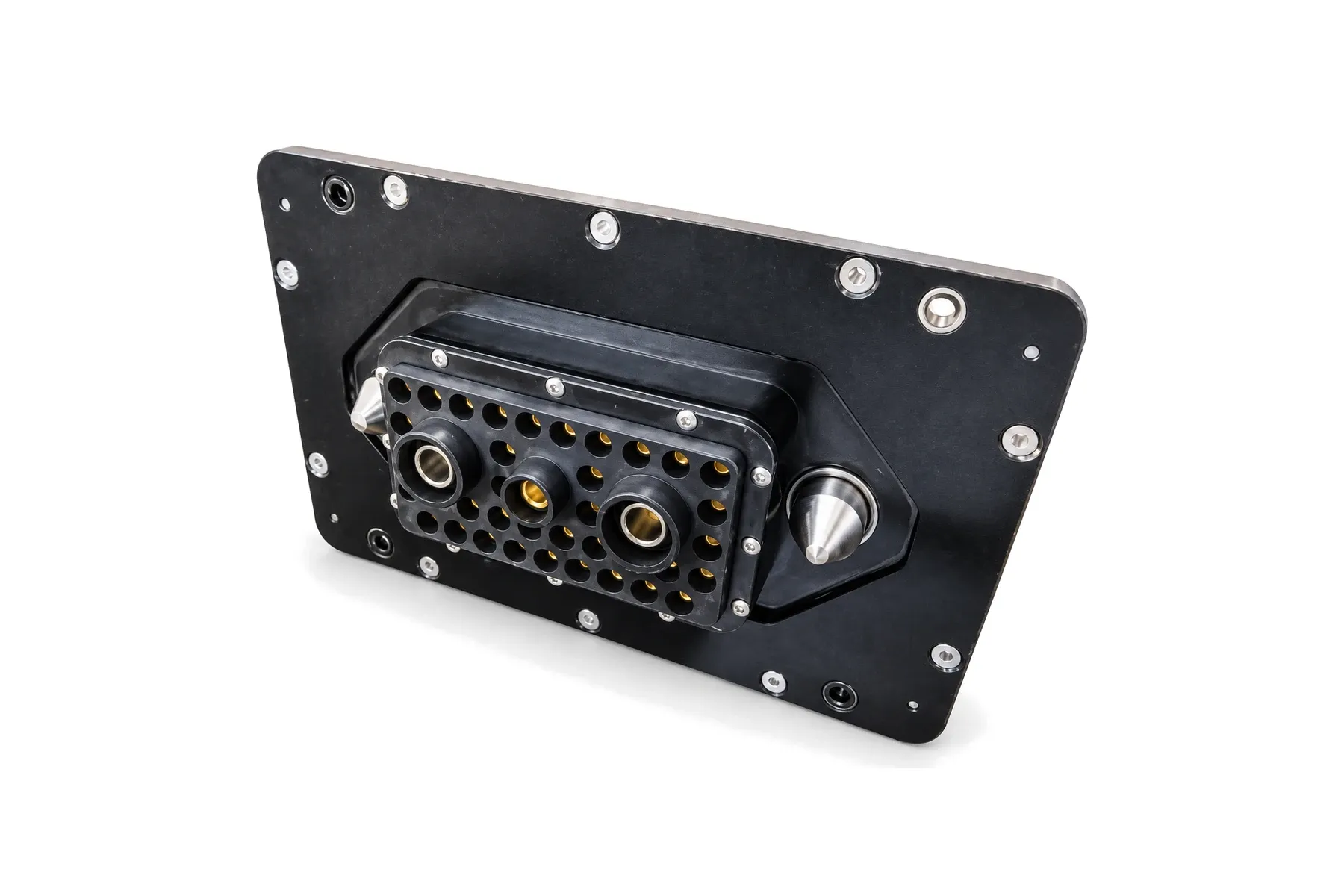
Battery swap · 250 A · ±5 mm float · 10,000 cycles
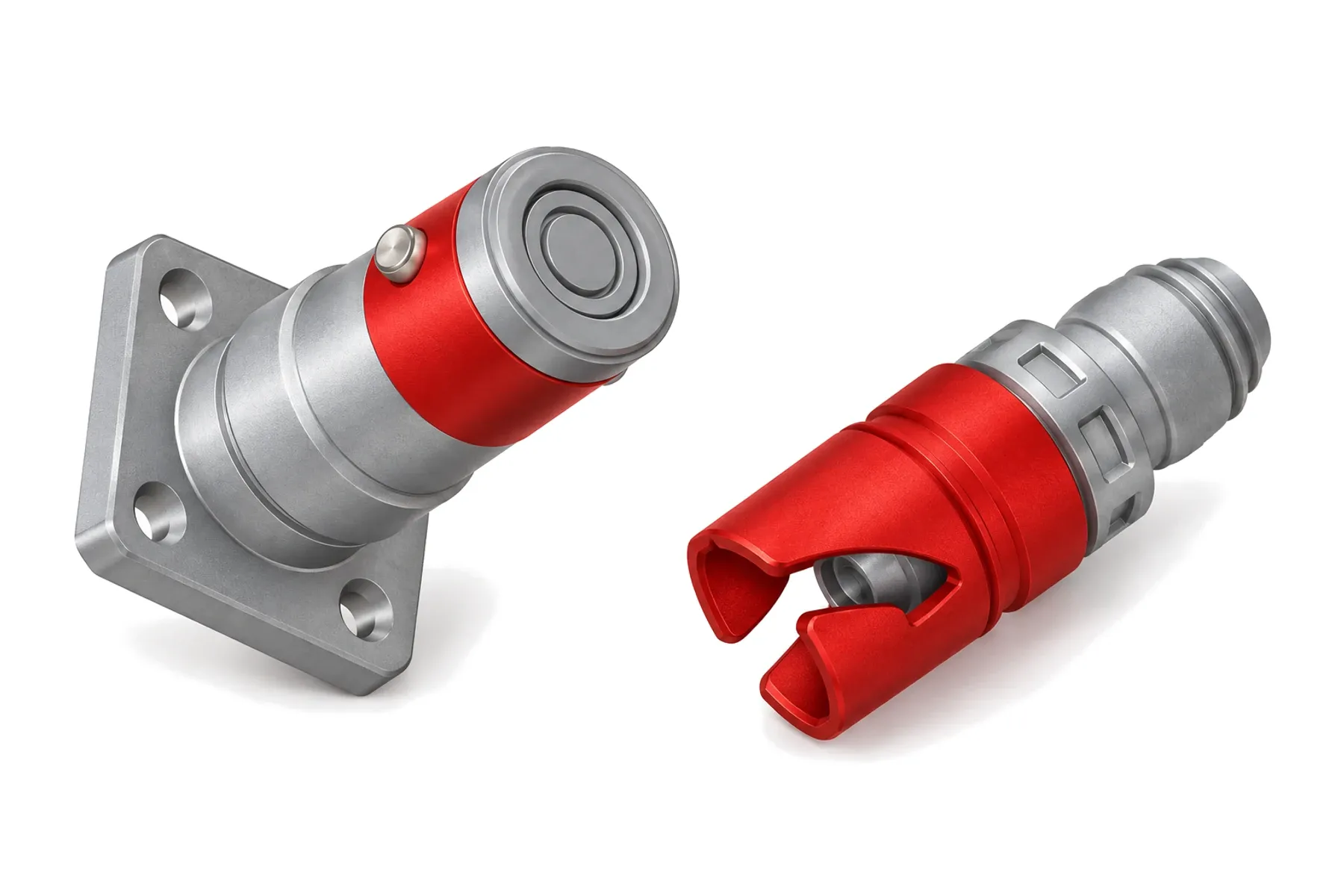
Bayonet · 3–20 mm bores · 1000 cycles · low spillage
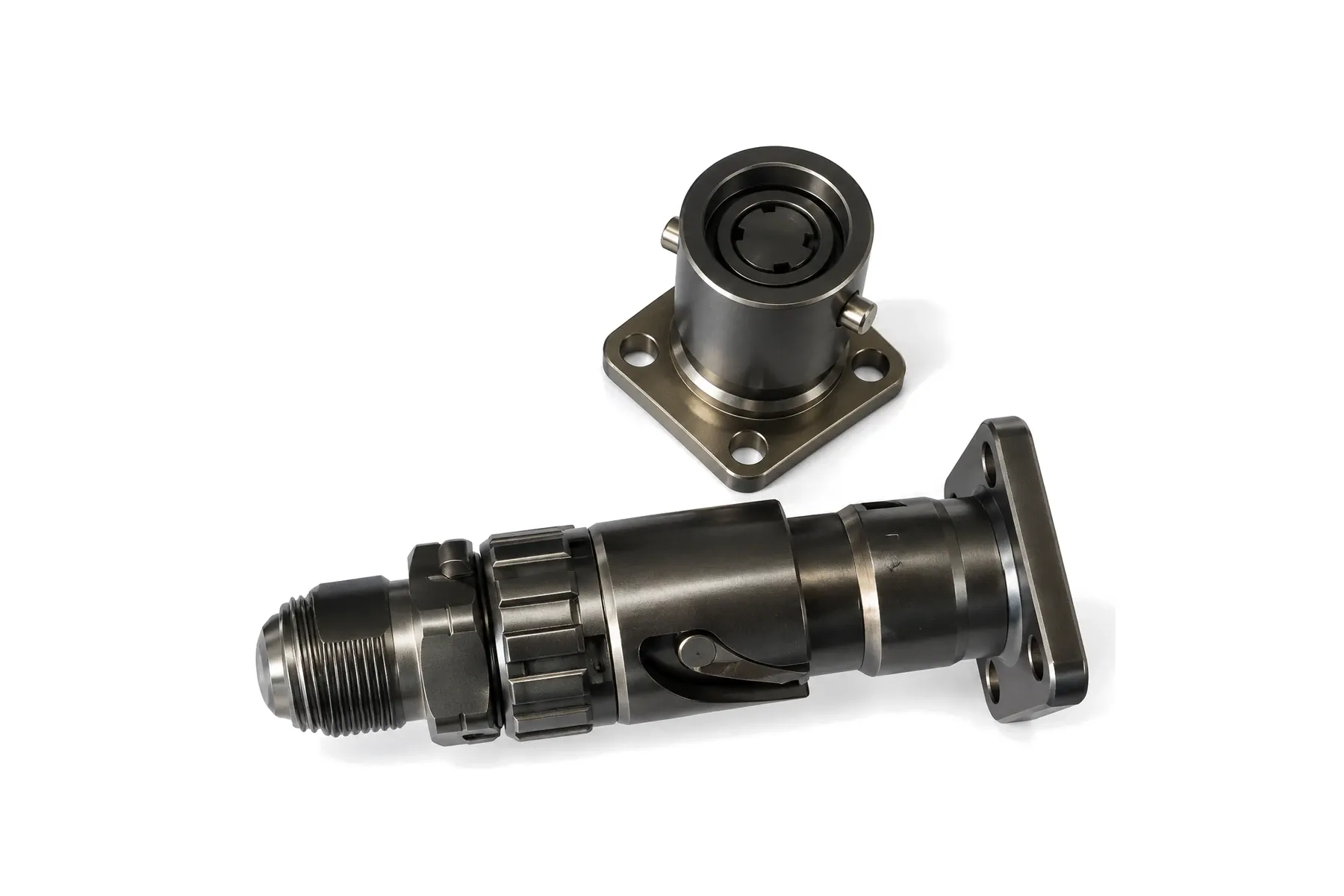
Push-pull bayonet · double seal · 20 bar · −55 to +175 °C
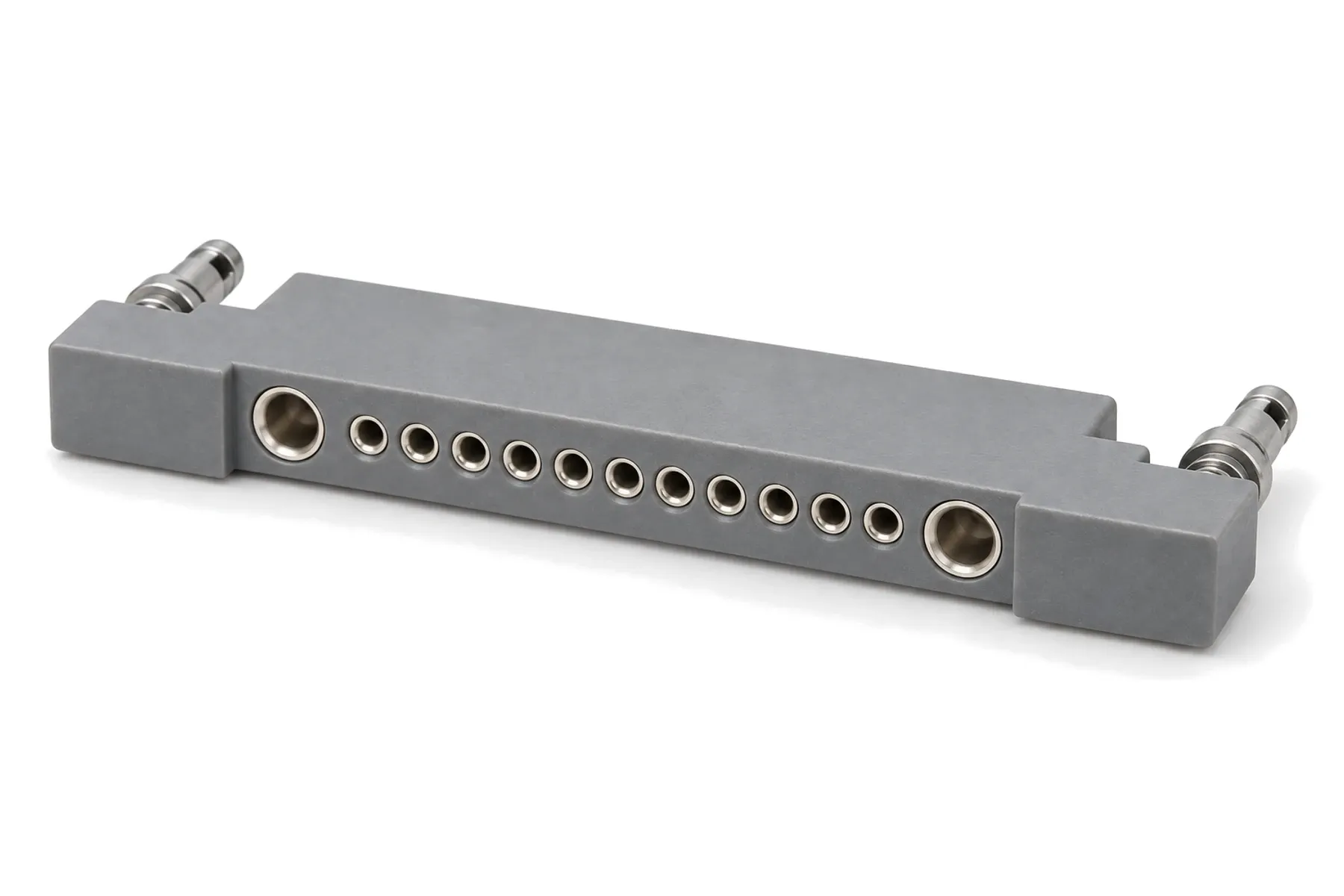
Power + signal · 13 A / 23 A power contacts · 1.905 mm
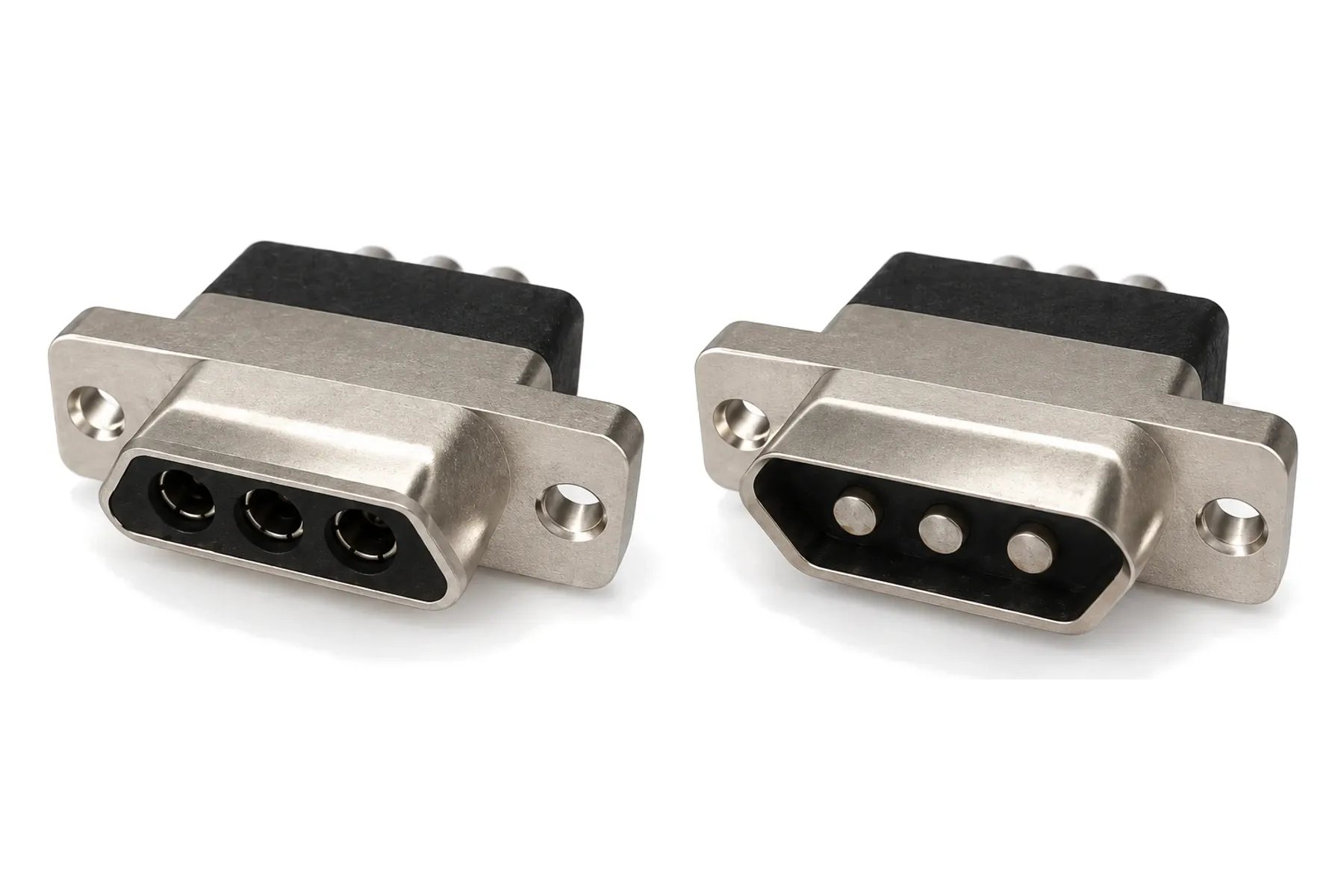
20 A power + 3 A signal · Micro-D size · twist-pin signal contacts
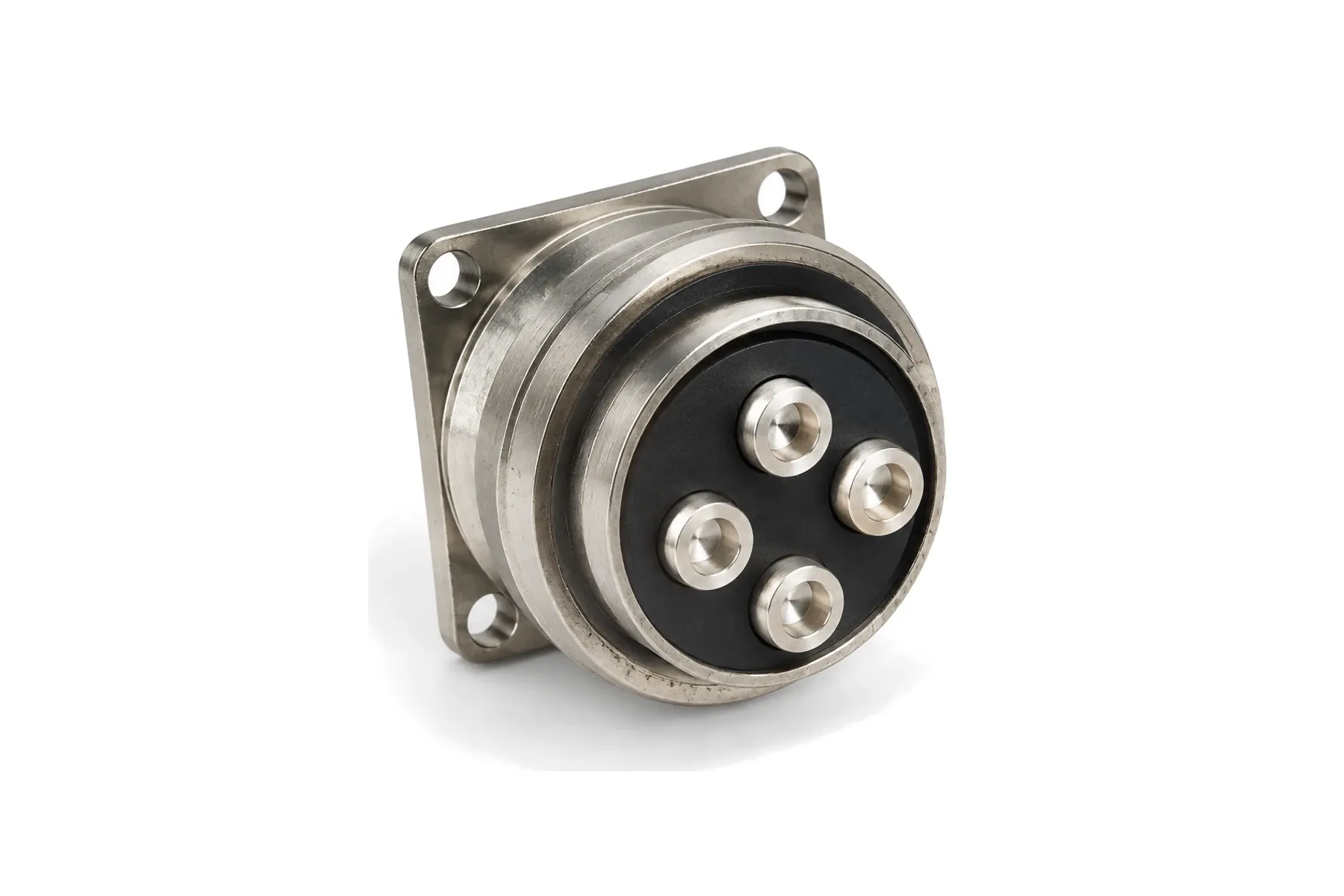
Power contacts 25–300 A · hyperboloid sockets · bayonet
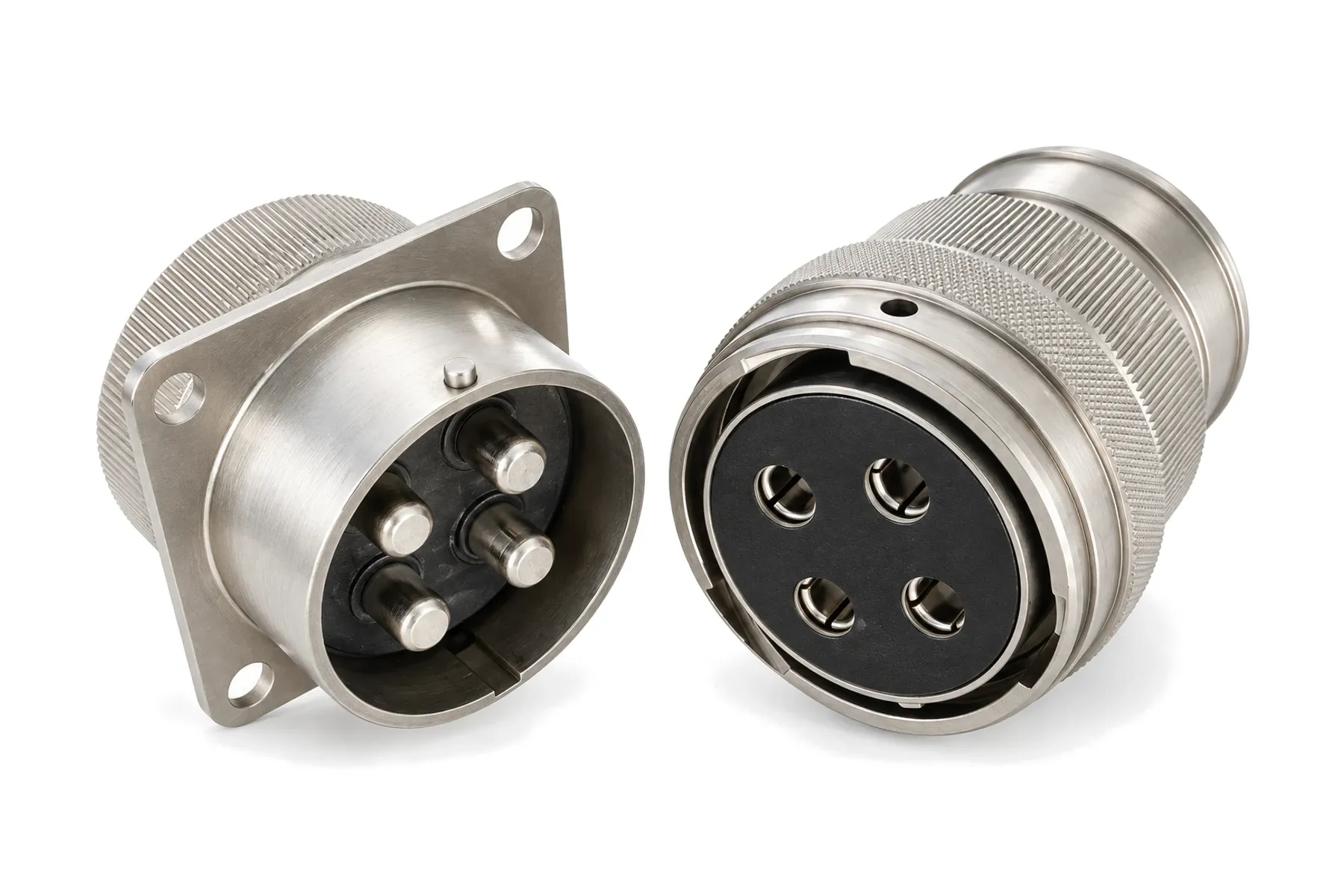
5–800 A per contact · 400 V · 30 layouts · hermetic bulkhead version
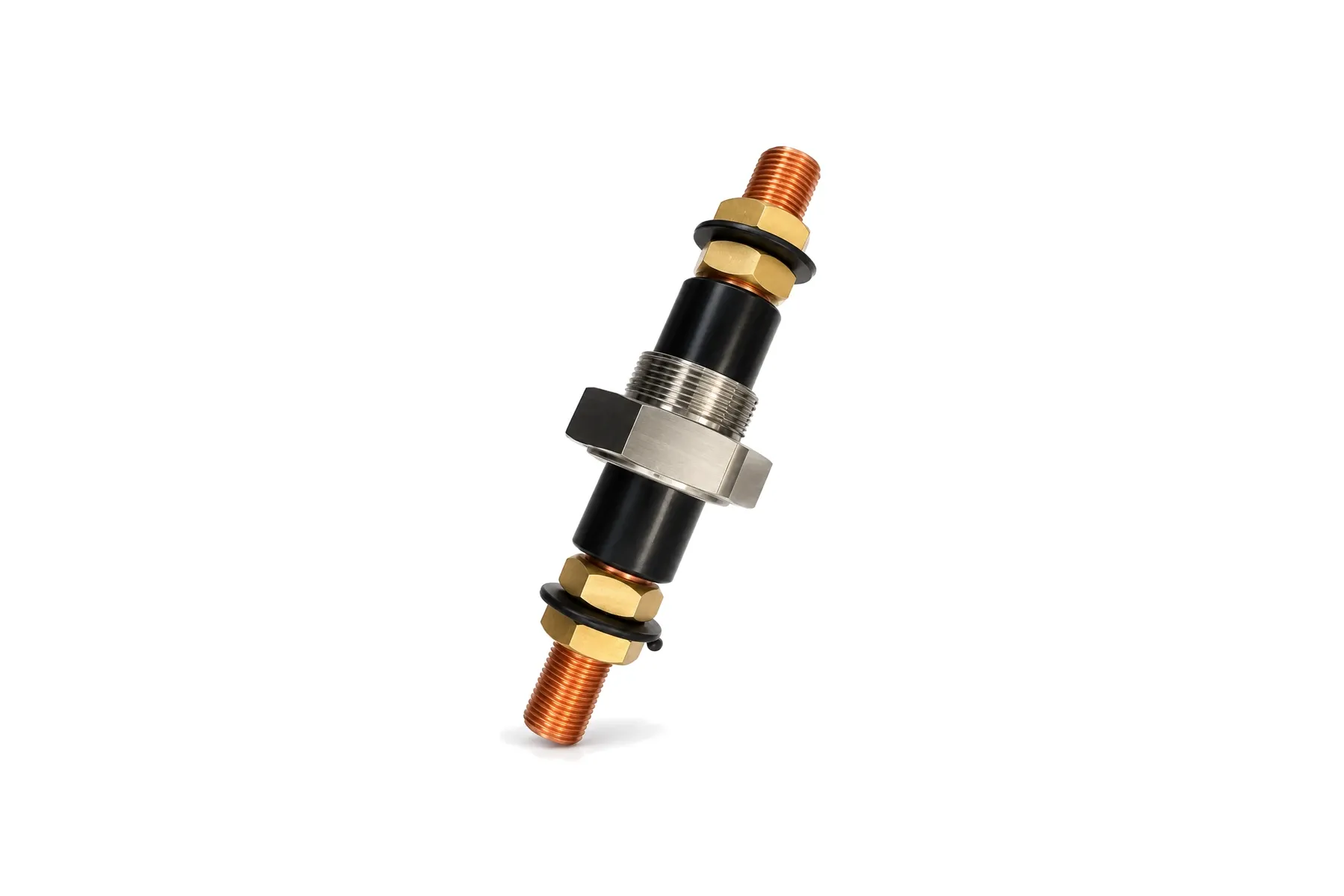
105–1000 A · stainless steel · O-ring seal
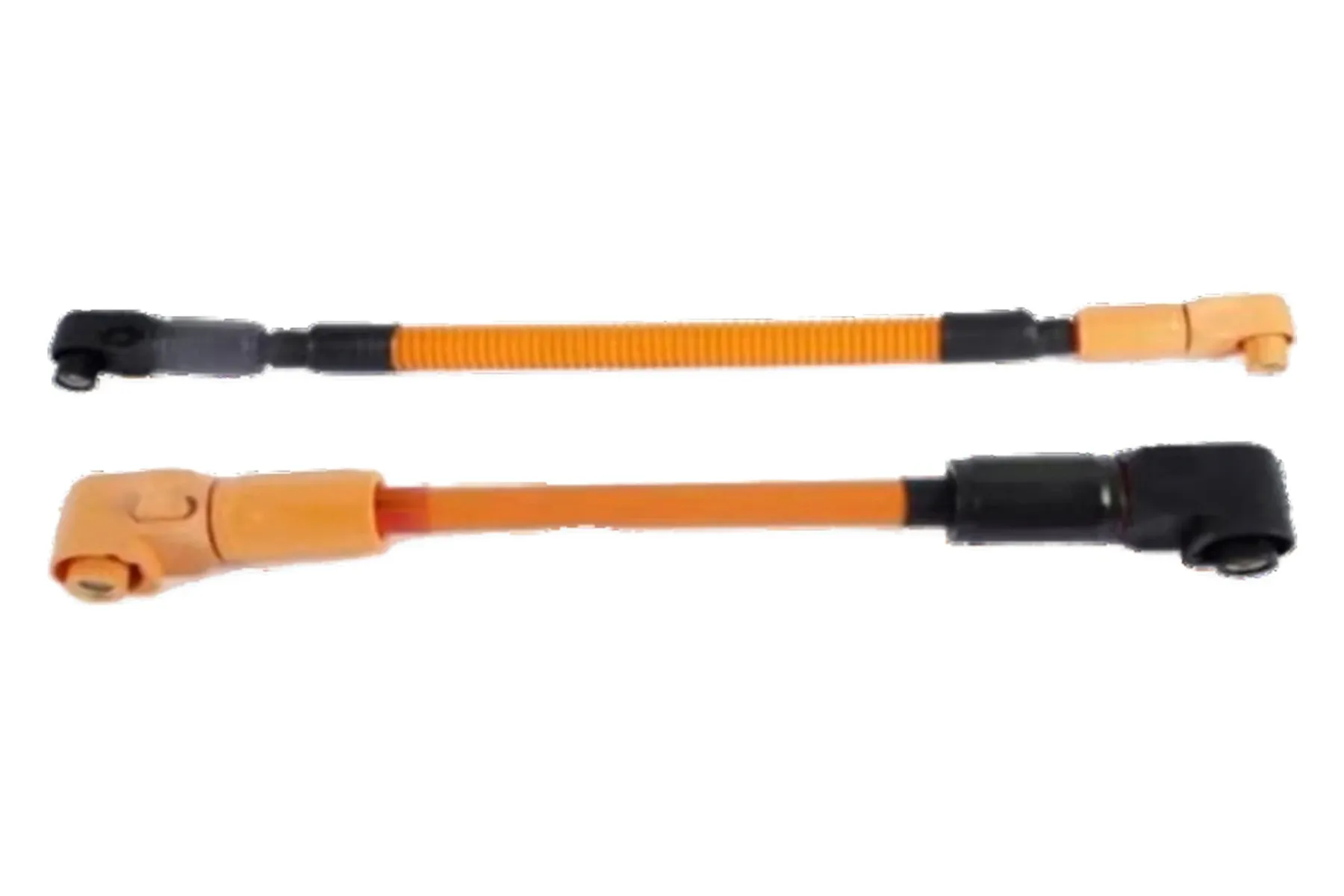
Our connectors · your cable and length · sealed, shielded, high-power
All series can be customized — contact counts, cable lengths, materials and finishes.
How to pick 38999-type contact sizes 22D, 20, 16, 12 and 10 by current and wire gauge, with a reference table and notes on derating and mixed layouts.
Why a connector's withstanding (test) voltage is not its working voltage, how altitude changes it, and how to choose a safe working voltage.
How to choose liquid-cooling quick-disconnect connectors: bore and flow, pressure drop from Kv, working pressure, spillage and seal materials.
J599HV carries 80–300 A per contact and withstands 3500 V, with IP65 sealing and an HVIL version. Send your working voltage and we will review the layout.
EV02. Its 40-contact version floats ±5 mm in X, Y and Z, with guide features for blind mating and ≥ 10,000 mating cycles.
TSA has 3–20 mm bores and up to 94.2 L/min; LTK-T has 3–16 mm bores, up to 60 L/min and runs to +175 °C. Both work at 20 bar.
Yes. SYRMD mixes 3 A signal with 13 A or 23 A power contacts, and mixed-power J30J combines 20 A power with 3 A signal in a Micro-D shell.
The standard O-ring sealed feedthrough studs cover 105–1000 A, withstand 5000 VAC and leak less than 1 × 10⁻⁸ Pa·m³/s at 0.1 MPa.
Part number, drawing, pin-out or a short description of your application.
Our engineers match the configuration and reply with a drawing and quotation.
Samples are built to order. The minimum order quantity is 10 pieces, and samples and production orders each take 4–8 weeks. Third-party testing to your specification is available on request.
You test the samples in your own equipment and approve them.
Production follows the approved sample configuration, with machining, molding, plating and assembly in our own Shenyang factory.
Send your part number, pin-out or drawing. Every inquiry is acknowledged by email within 1 business day, and an engineer follows up with a matched configuration, drawing or quotation.