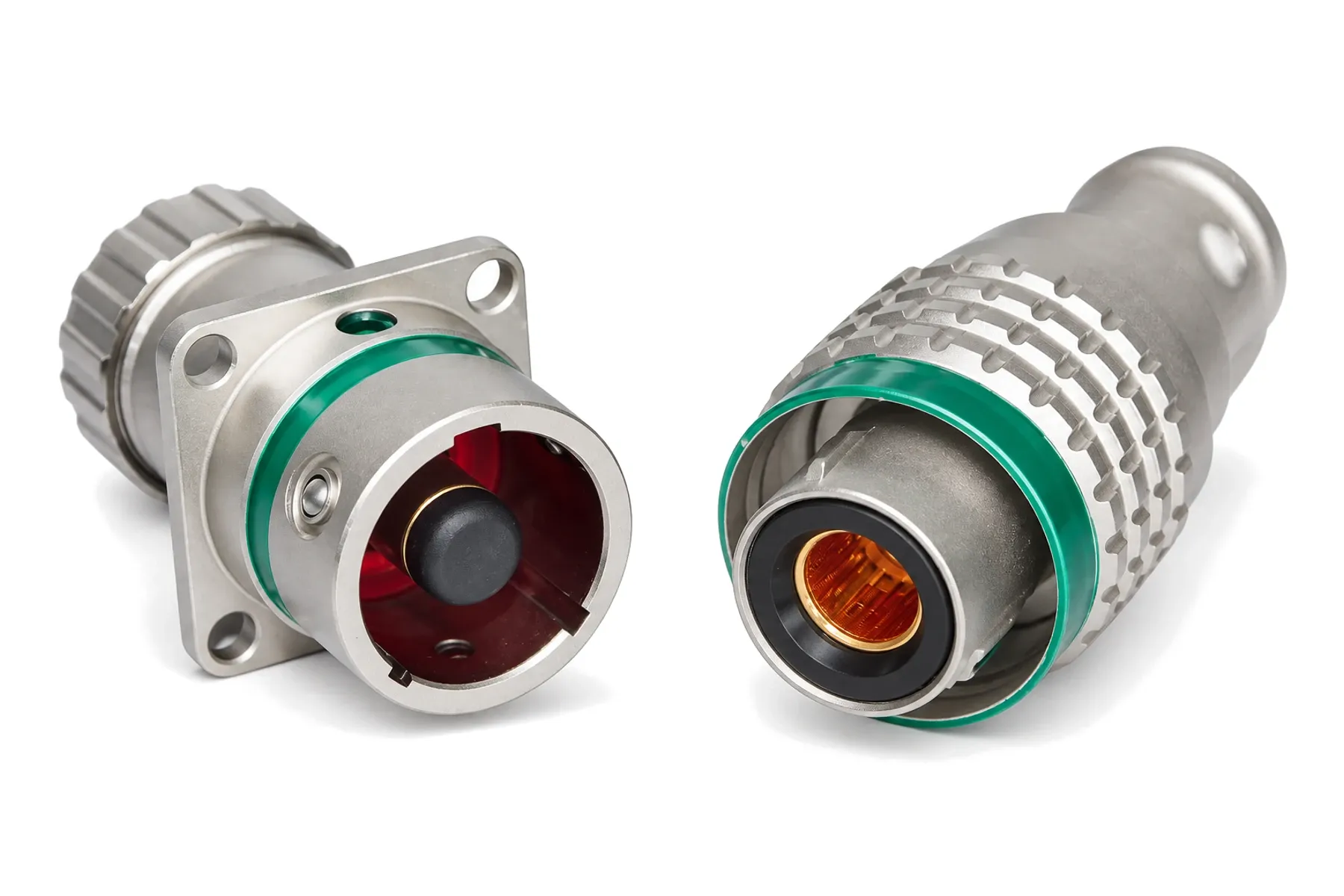
EV01 Push-Pull High-Power EV Connectors, 30 to 300 A
30–300 A · IP67 · 5000 cycles · push-pull
High-voltage power, battery-swap and signal connectors for electric and hybrid vehicles, buses and energy storage.
Electric vehicles need connectors that carry hundreds of amps at high voltage, survive road vibration and water, and cannot be mis-mated.
Our EV range covers push-pull EV01 (30–300 A, 5000 cycles) and QHT01E/QHT02C, bayonet EV06 and QHK01C to 340 A, EV02 battery-swap connectors with floating mounts, and EV05 26482-type connectors for low-voltage power and signal. Harness assemblies are made to order.
| Series | Current rating | Contacts | Protection | Mating cycles | Working voltage |
|---|---|---|---|---|---|
| EV01 | 30–300 A | 1, 2 or 3 | IP67 (mated) | ≥ 5000 | — |
| EV02 | 250 A power; 40 A; 10 A control | 13 or 40 | IP65 (mated) | ≥ 10,000 | — |
| EV05 | 7.5–46 A by contact | 4 to 23 | IP67 | ≥ 500 | 300 V AC/DC |
| EV06 | 80–340 A | 1 | IP67 | — | 630 V |
| QHT01E | 80–130 A | 1 | IP67 (mated) | ≥ 500 | 600 VAC |
| QHK01C | 300 A | 1 | IP67 | > 500 | 600 VAC |
| QHT02C | 300 A | 1 | IP67 | > 500 | 1000 VAC |
30–300 A · IP67 · 5000 cycles · push-pull
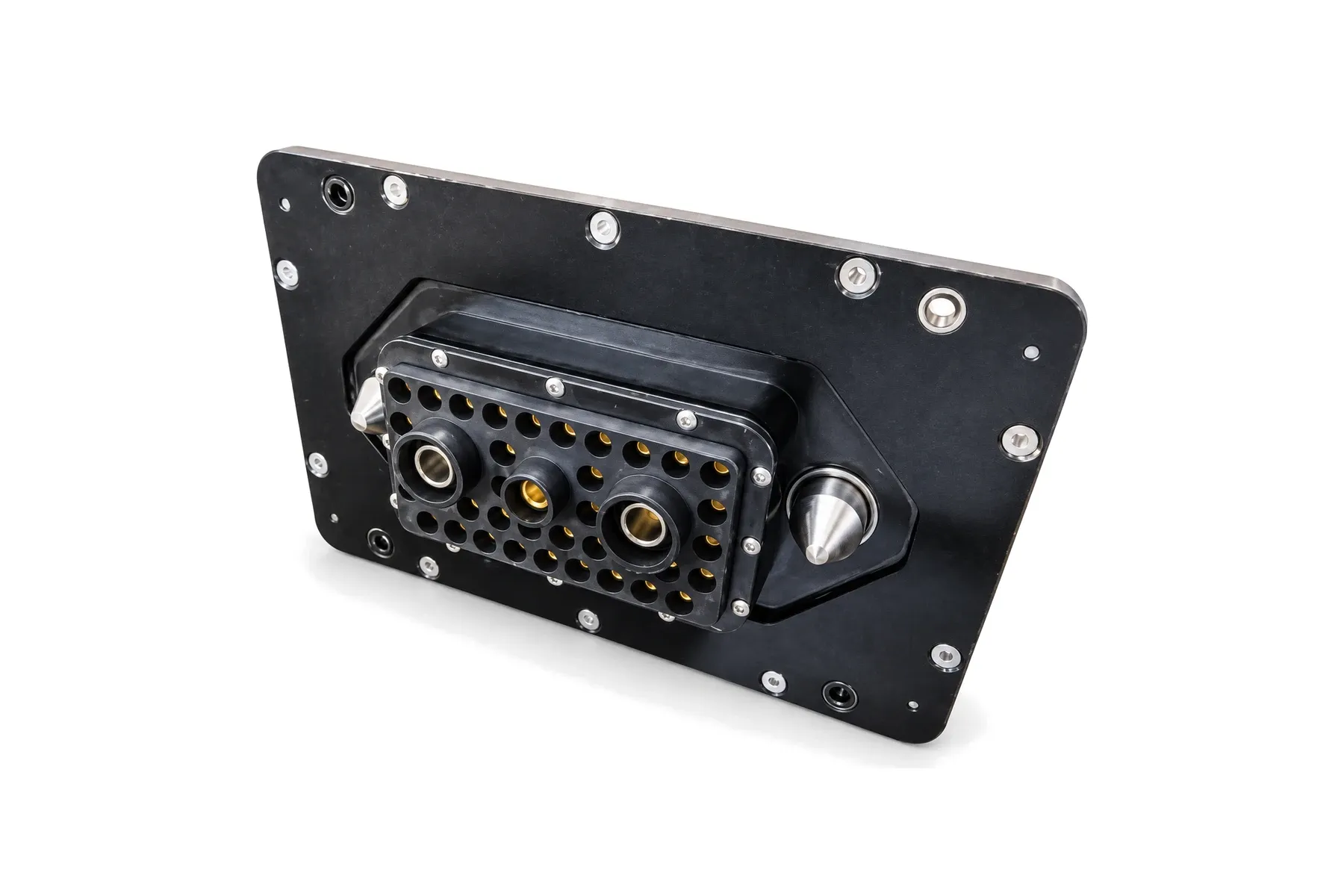
Battery swap · 250 A · ±5 mm float · 10,000 cycles
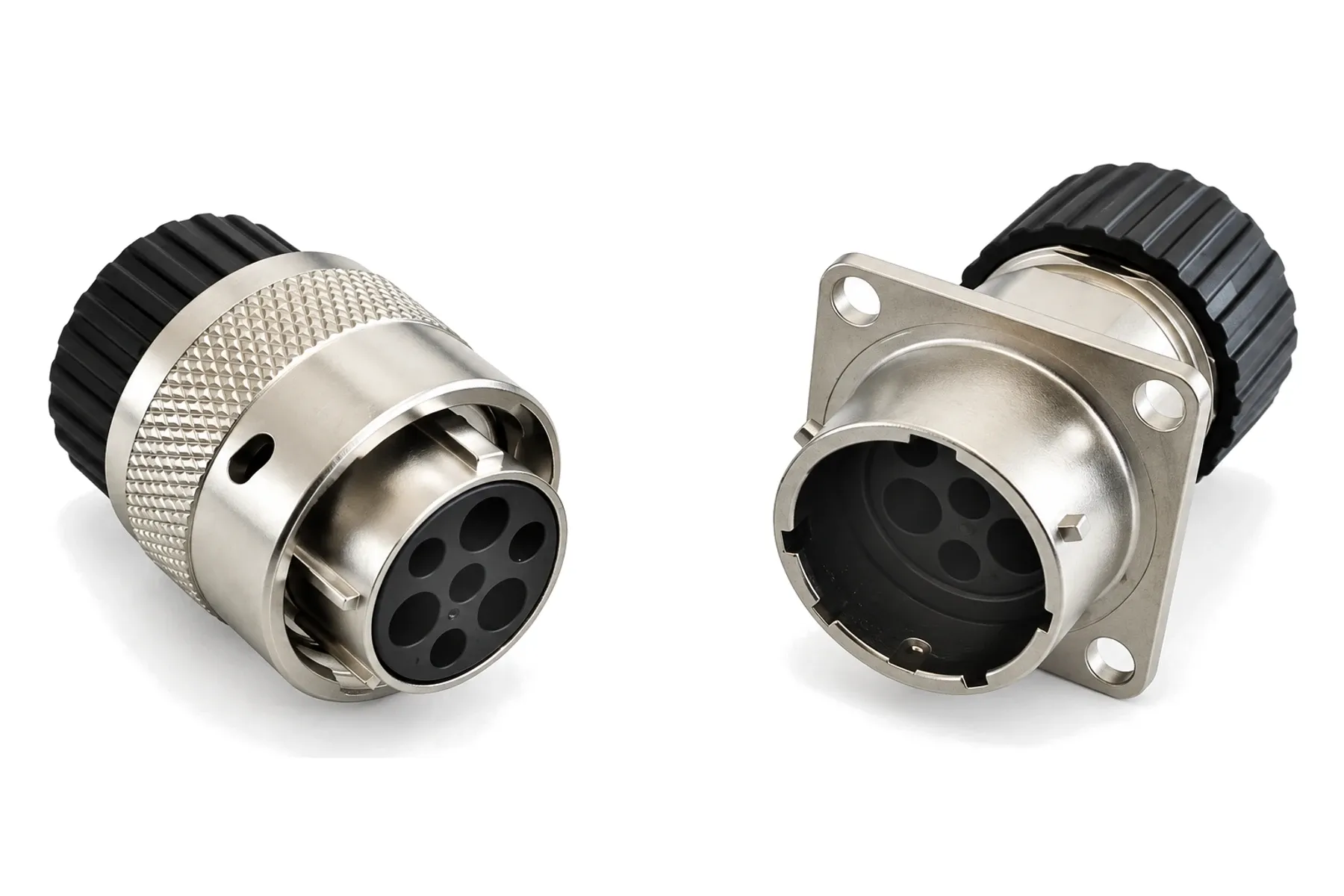
26482 type · 13 A / 40 A · IP67 · RoHS
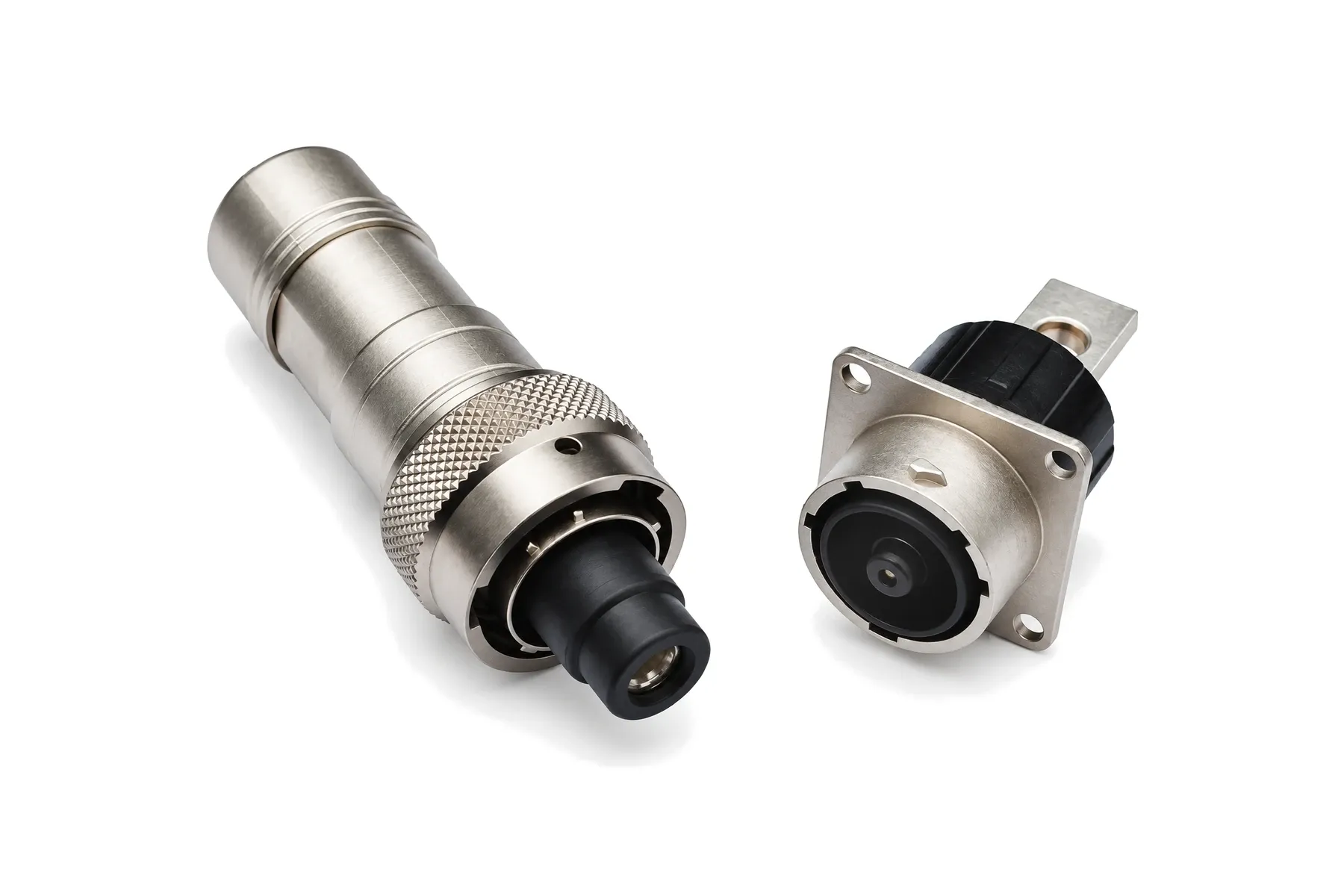
Single pole · 80–340 A · 630 V · IP67
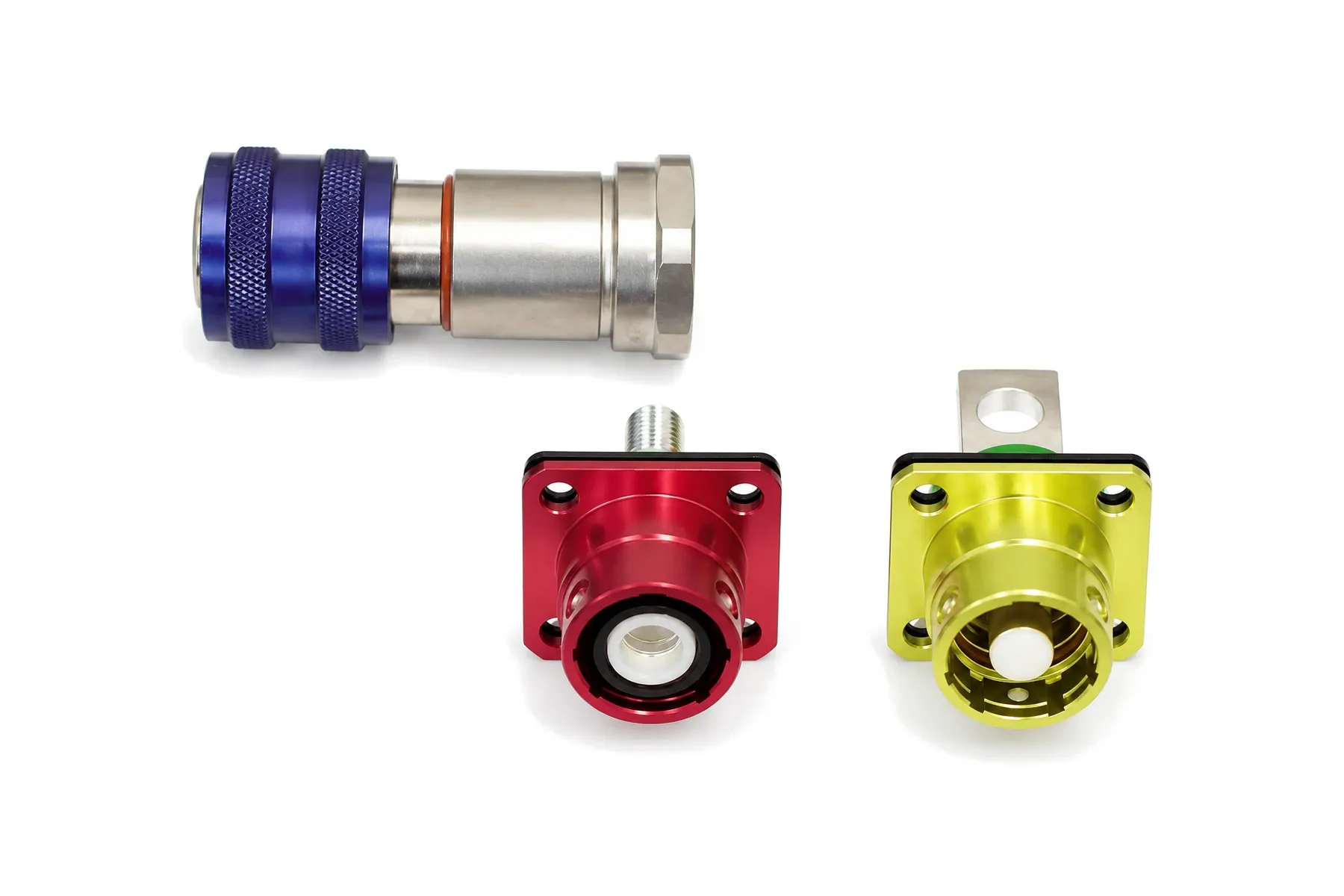
Push-pull · 130 A · 600 VAC · colour-keyed
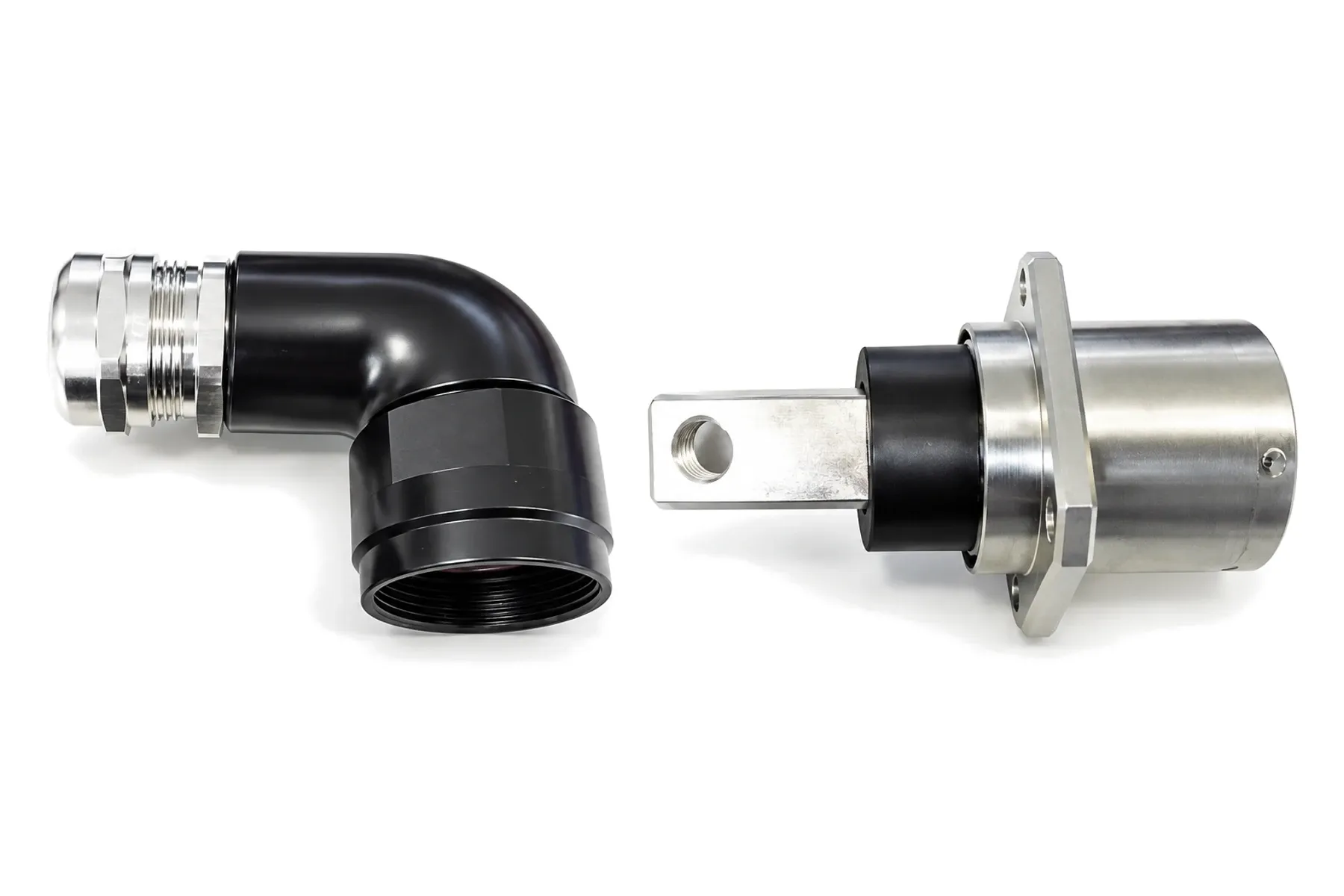
300 A · 600 VAC · bayonet · IP67
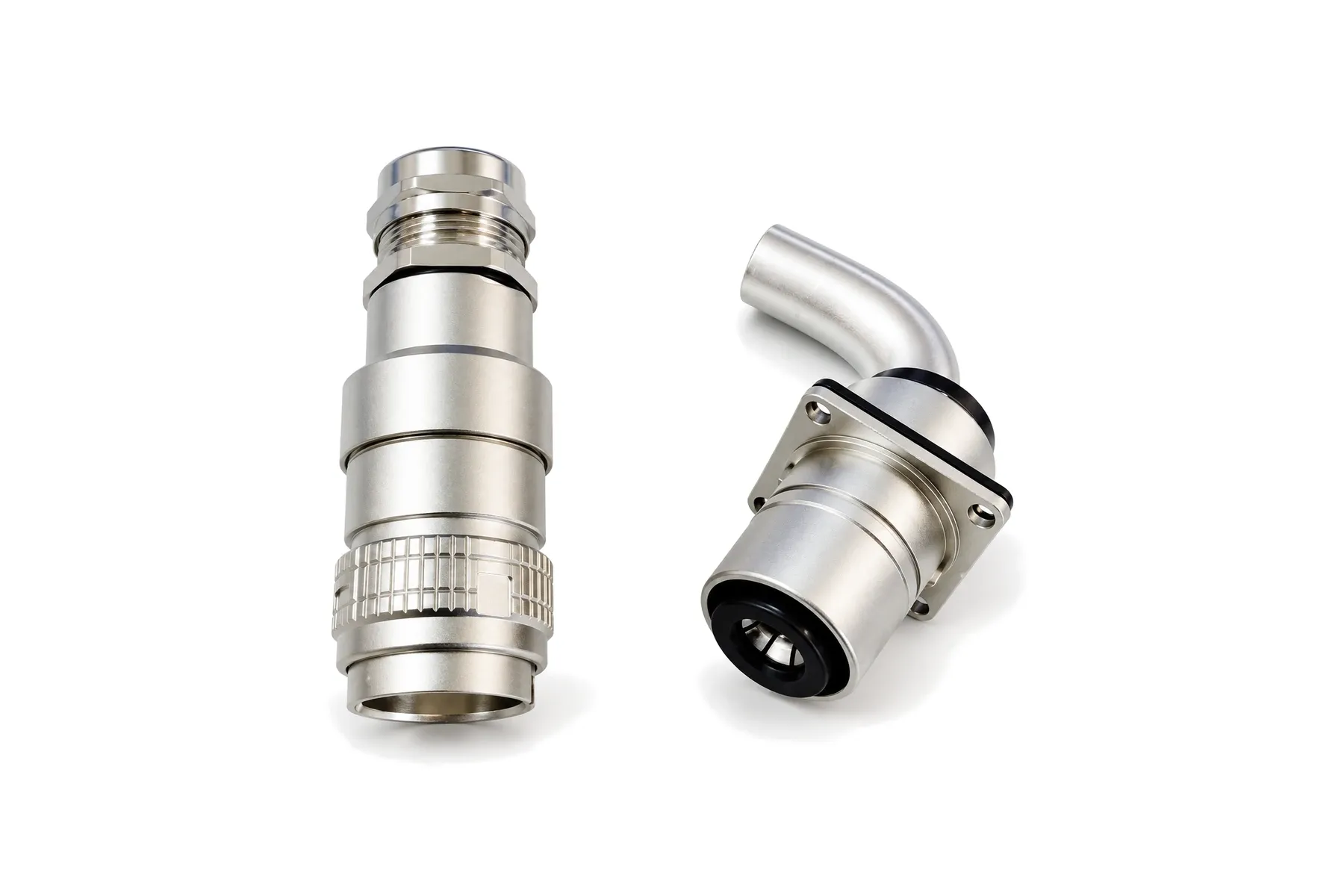
300 A · 1000 VAC · push-pull · IP67
Choose contact size from continuous current and cable cross-section (10–120 mm²).
600 VAC for most power connectors; QHT02C to 1000 VAC.
Push-pull for fast service, bayonet for positive locking, floating EV02 for swap stations.
Colour codes and key angles keep phases and circuits apart.
38999-style HV connectors with HV interlock.
TSA and LTK-T fluid couplings.
Yes. Tell us cable sizes, lengths and routing; we build harness assemblies with our connectors.
Part number, drawing, pin-out or a short description of your application.
Our engineers match the configuration and reply with a drawing and quotation.
Samples are made to your order. Third-party testing to your specification is available on request.
You test the samples in your own equipment and approve them.
Production follows the approved sample configuration.
Send your part number, pin-out or drawing. An engineer will reply by email.