Sealing and environment · Updated 2026-09-28
IP67, IP68 and Hermetic Sealing: What Connector Ratings Mean
Connector sealing claims come from different test systems. Mixing them up is one of the most common specification mistakes.
IP codes (IEC 60529 / GB 4208)
The IP code has two digits: the first for solids, the second for water.
| Code | Meaning (water) |
|---|---|
| IP65 | Water jets from any direction |
| IP67 | Temporary immersion, typically 1 m for 30 minutes |
| IP68 | Continuous immersion under conditions agreed by the manufacturer — always check the stated depth and time |
IP ratings apply to a mated connector, usually including its backshell and cable seal. A connector without a sealed backshell may not reach the rating.
Hermetic sealing
Hermetic connectors are tested for gas leakage, not just water. Contacts are fused into the shell with glass, and the leak rate is measured with a pressure differential, for example ≤ 1 × 10⁻⁸ Pa·m³/s at 0.1 MPa. A hermetic receptacle stays sealed even when unmated. See hermetic leak rates explained.
Depth and pressure ratings
Underwater connectors are rated by operating depth and by pressure mated and unmated (for example 70 MPa). An IP68 rating does not tell you the depth a connector can survive in the ocean. See subsea depth and pressure ratings.
Examples from our range
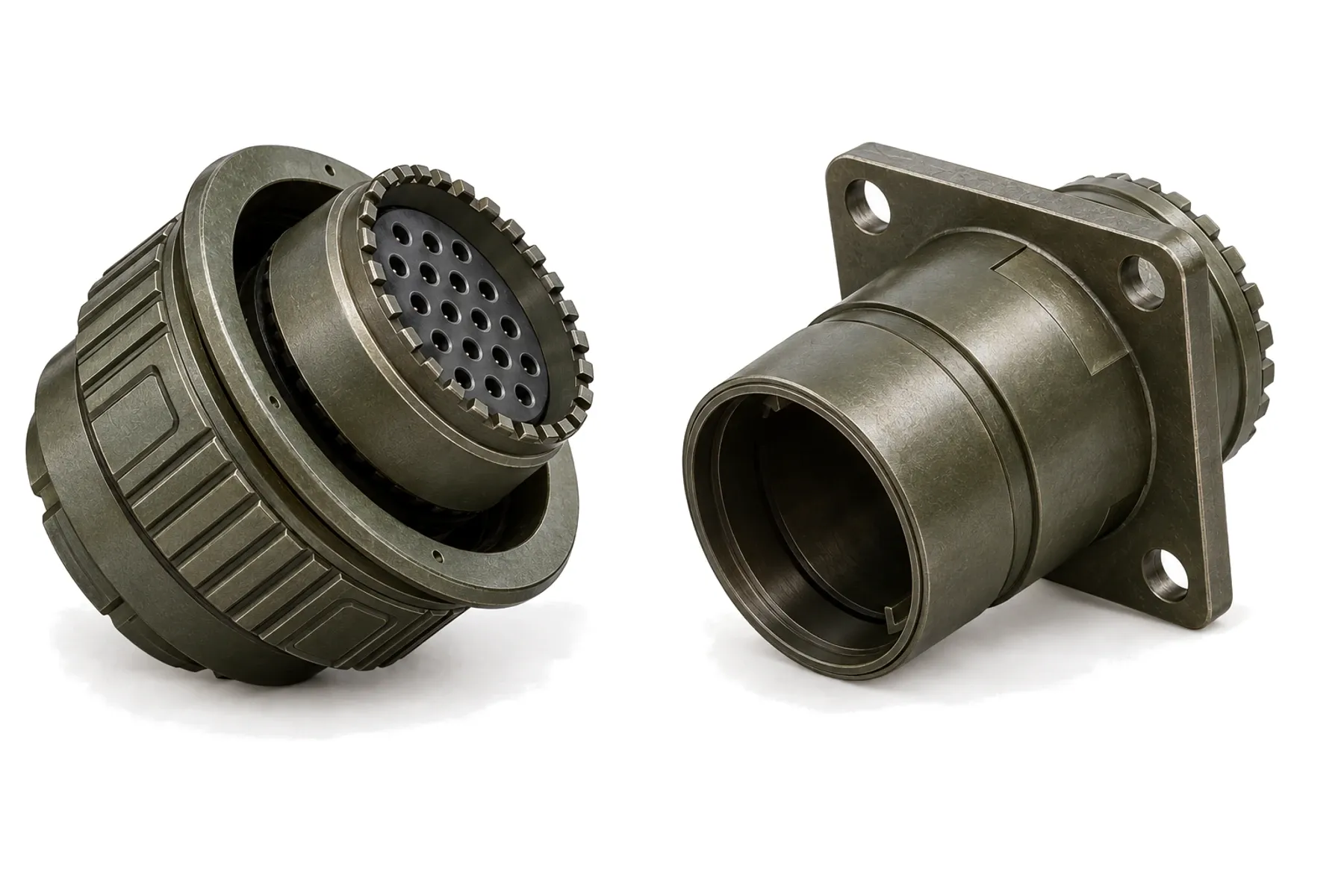
- J599FS: IP67 when mated with J1784FS waterproof backshells;
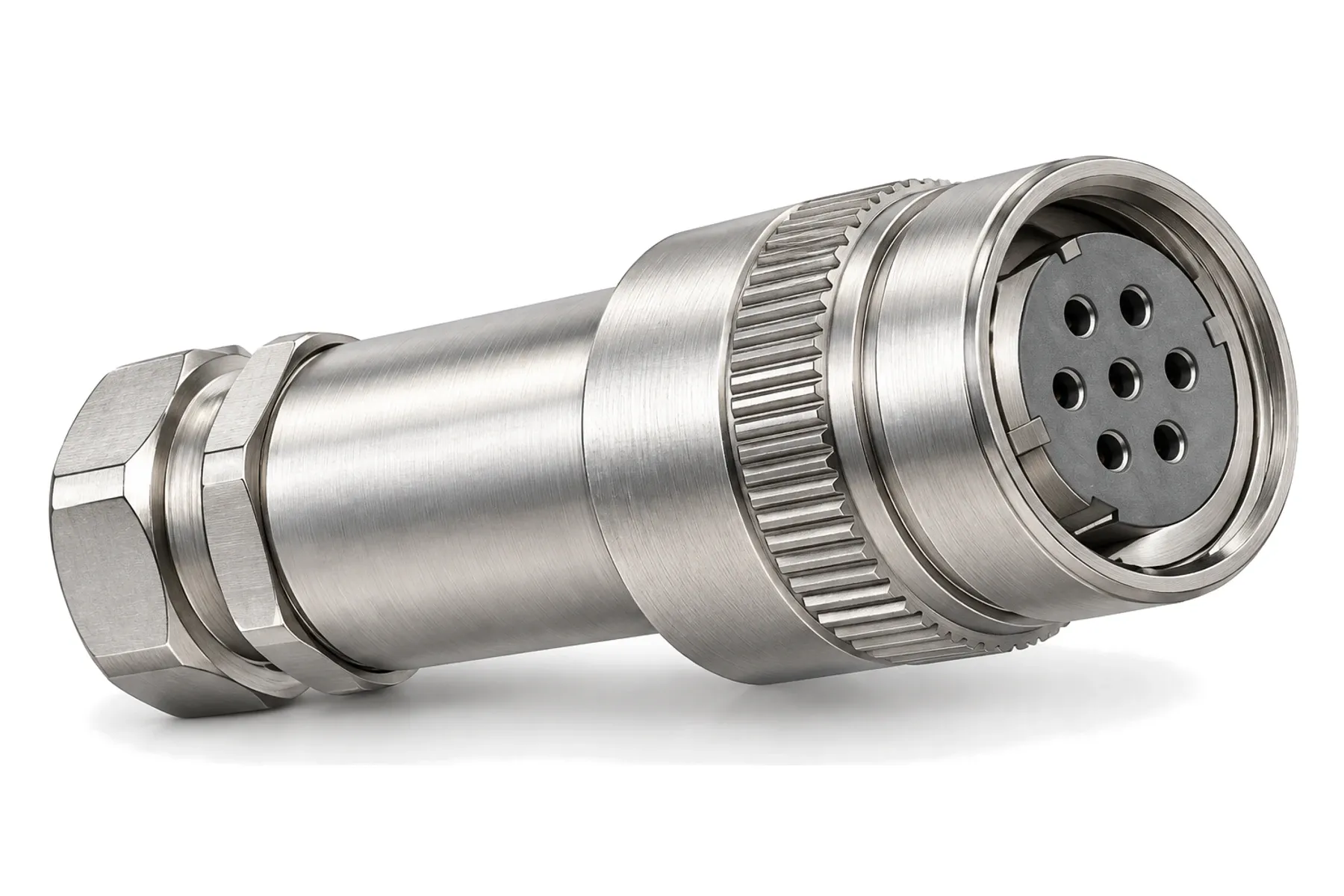
- XY1: IP67 push-in miniature connector;
- FBZ: IP68 increased-safety explosion-proof connector;
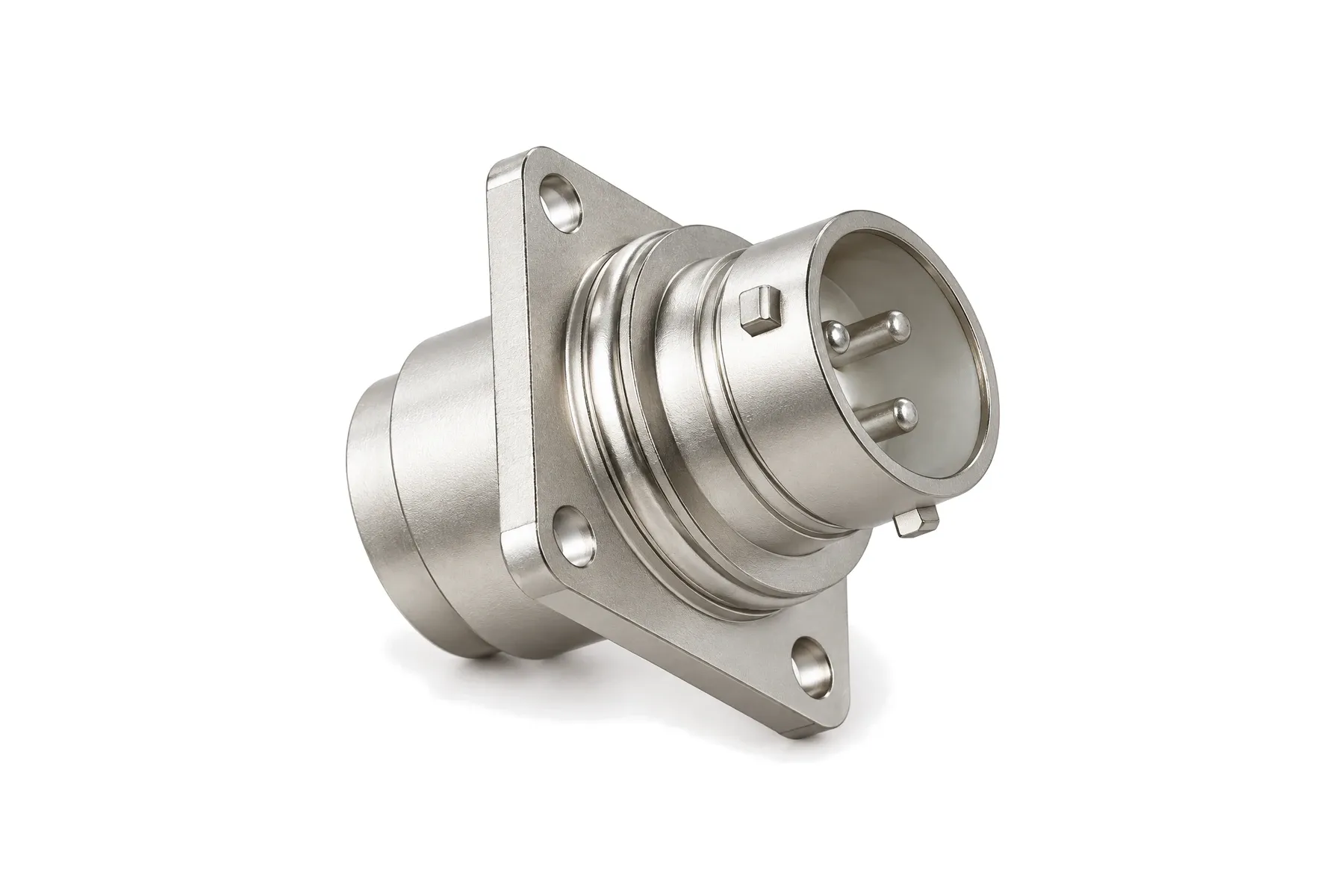
- J599 Series III hermetic receptacles: ≤ 1 × 10⁻⁸ Pa·m³/s leak rate;
- SHX33: 7000 m, 70 MPa mated and unmated.
What to specify
State the test standard and conditions, not just a code: “IP68, 10 m for 24 h, mated with backshell” or “leak rate ≤ 1 × 10⁻⁸ Pa·m³/s helium at 0.1 MPa”. We test to your requirements, including third-party testing on request.