Subsea and marine · Updated 2026-09-28
Subsea Connector Depth and Pressure Ratings Explained
Underwater connector datasheets give several different numbers. They are not interchangeable, so it pays to read them carefully.
Depth and pressure
In seawater, pressure rises by roughly 0.1 MPa (1 bar) for every 10 m of depth. As a rule of thumb:
| Depth | Approximate water pressure |
|---|---|
| 300 m | 3 MPa |
| 1000 m | 10 MPa |
| 3000 m | 30 MPa |
| 7000 m | 70 MPa |
Test pressures are usually set above the working depth to give a margin.
Mated vs unmated rating
- Mated pressure rating: the plug and receptacle are connected, and the joint must keep water out of the contacts.
- Unmated (open-face) rating: the receptacle is exposed with no plug — for example a bulkhead connector on an instrument that is deployed without its cable. The receptacle must stop water entering the equipment.
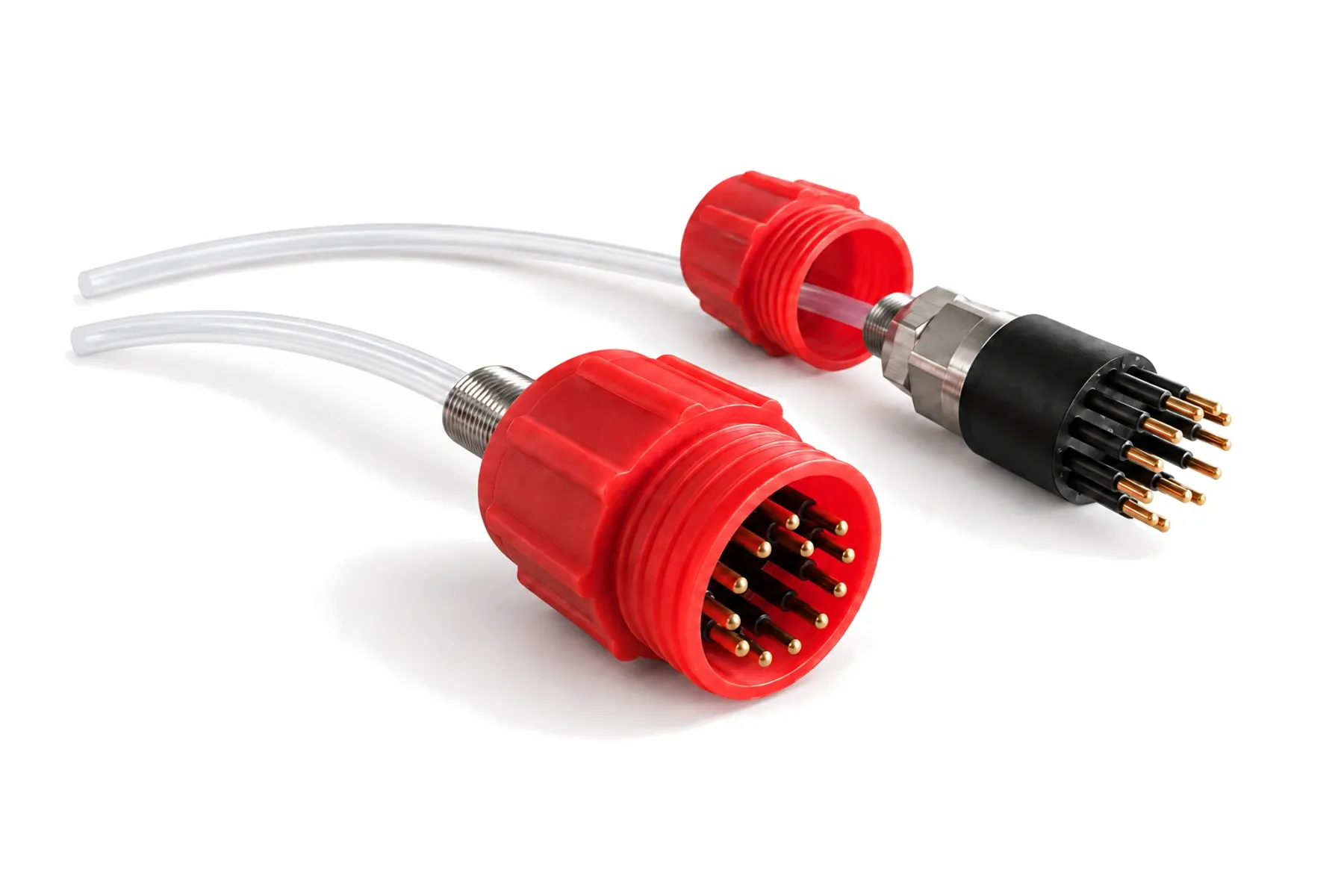
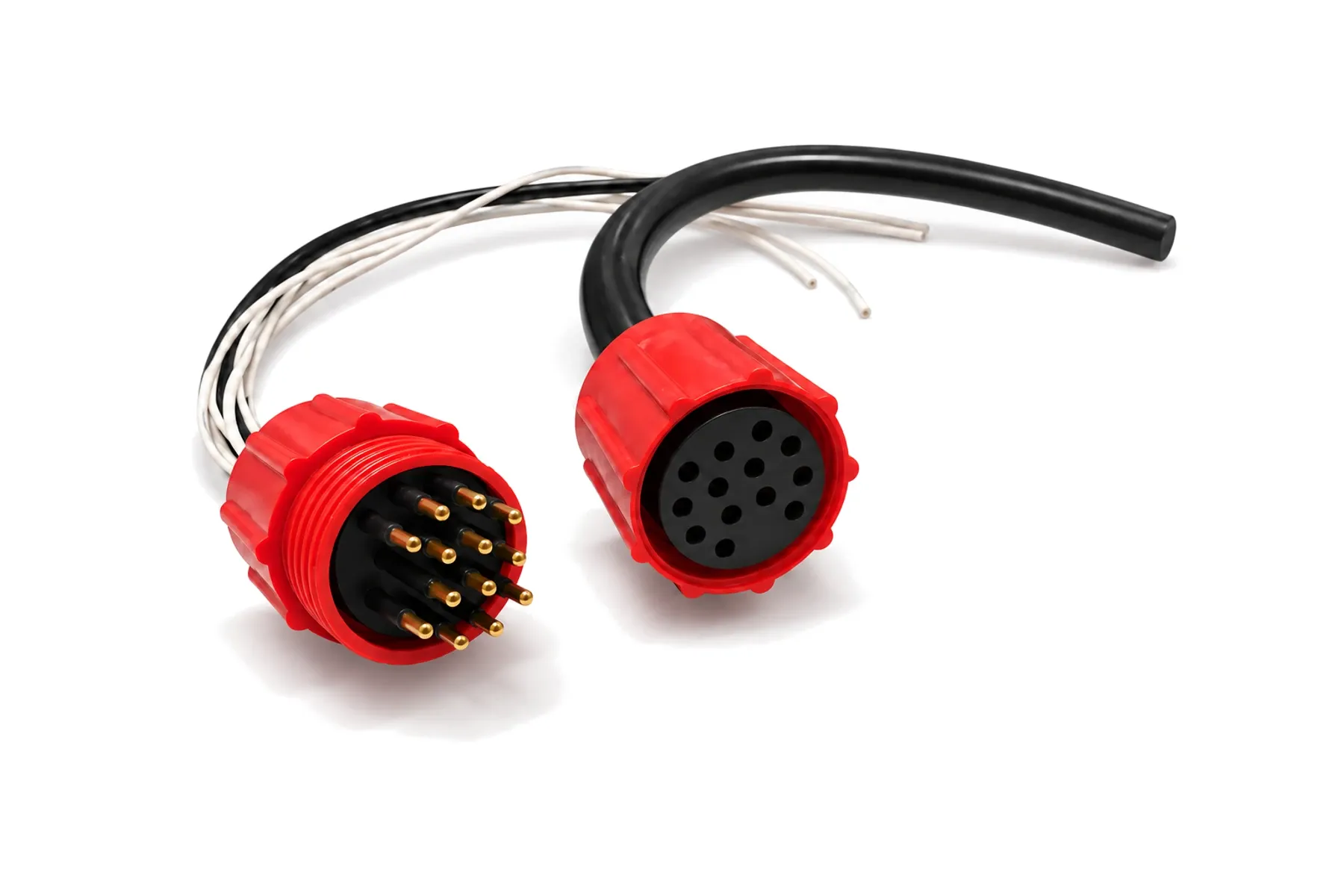
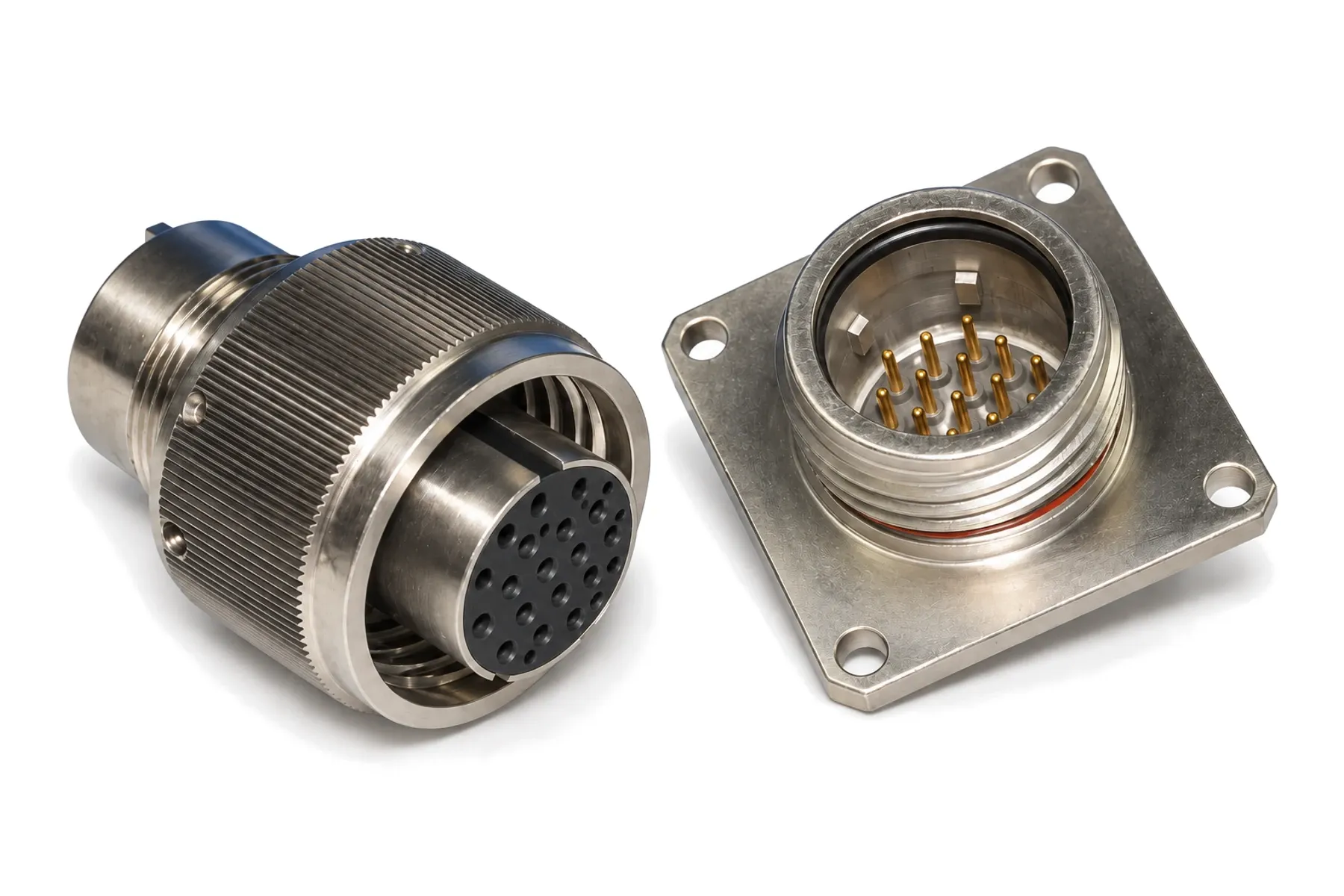
A connector can have a high mated rating and a much lower unmated rating. Our SHX33, SHX34 and SHX35 rubber-molded families are rated to 7000 m operating depth with 70 MPa both mated and unmated; SHX4 metal-shell connectors are rated 10 MPa mated; SHX10 glass-sealed receptacles withstand 5 MPa on their own and 10 MPa mated.
Radial and axial sealing
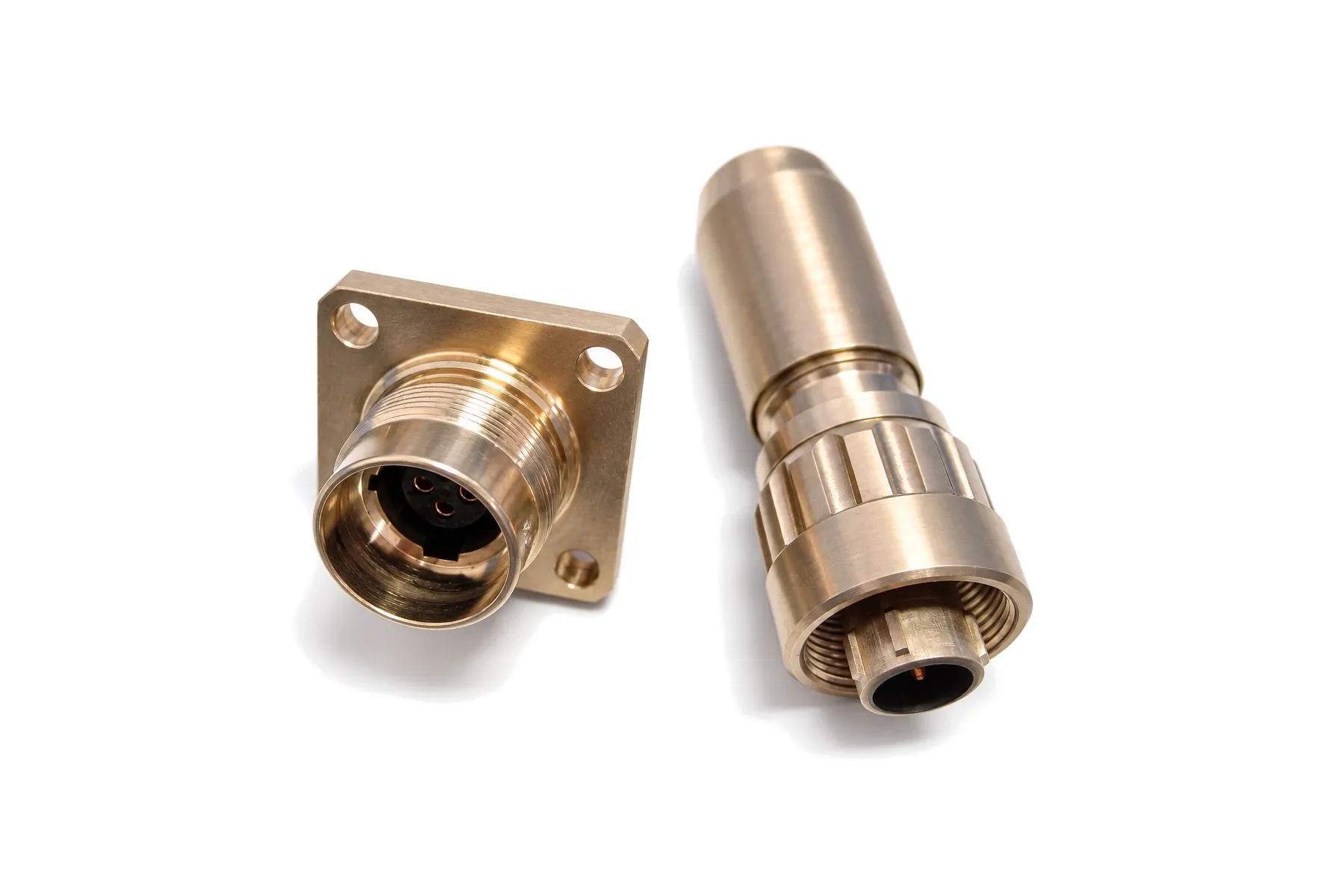
Metal-shell underwater connectors often seal twice: an O-ring on the diameter (radial) and a face seal (axial). Both are tested at the stated pressure.
What to specify
- Maximum operating depth, plus any test depth required by your standard.
- Whether receptacles will ever be exposed unmated at depth.
- Whether the connector will be mated on deck, at the surface or underwater (see wet-mate vs dry-mate).
- Pressure cycling — how many dives over the product life.
- Cable type and whether a molded or vulcanized cable joint is needed.
If you need to mate or unmate at depth, tell us the depth and conditions and we will review it for your project.