Micro-D and Nano-D · Updated 2026-09-28
What Is a Twist-Pin Contact?
A twist-pin contact is a pin made from a bundle of fine gold-plated spring wires twisted together and formed into a slight barrel shape. When it enters a plain cylindrical socket, the wires flex and press against the socket wall at several points along their length.
Why it works well in small connectors
- Many contact points. Each strand touches the socket, so there are multiple current paths. If one point is disturbed by vibration, others keep the circuit closed.
- Low, stable contact resistance. The spring force is spread over several points and stays consistent over many cycles.
- Vibration and shock resistance. Because the pin itself is the spring, it keeps pressure on the socket even under high-frequency vibration — the reason Micro-D connectors are used in rail, instrumentation and industrial electronics.
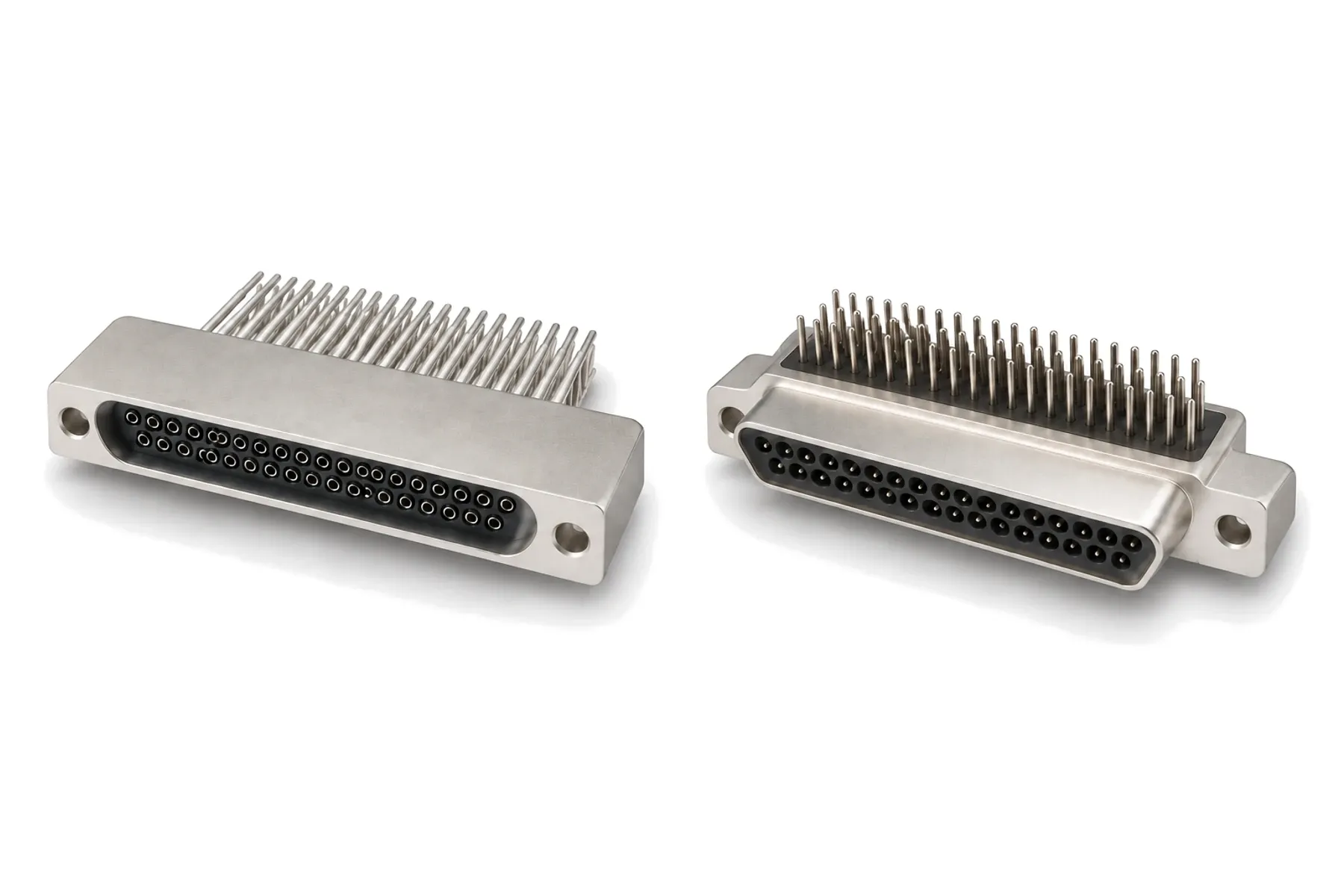
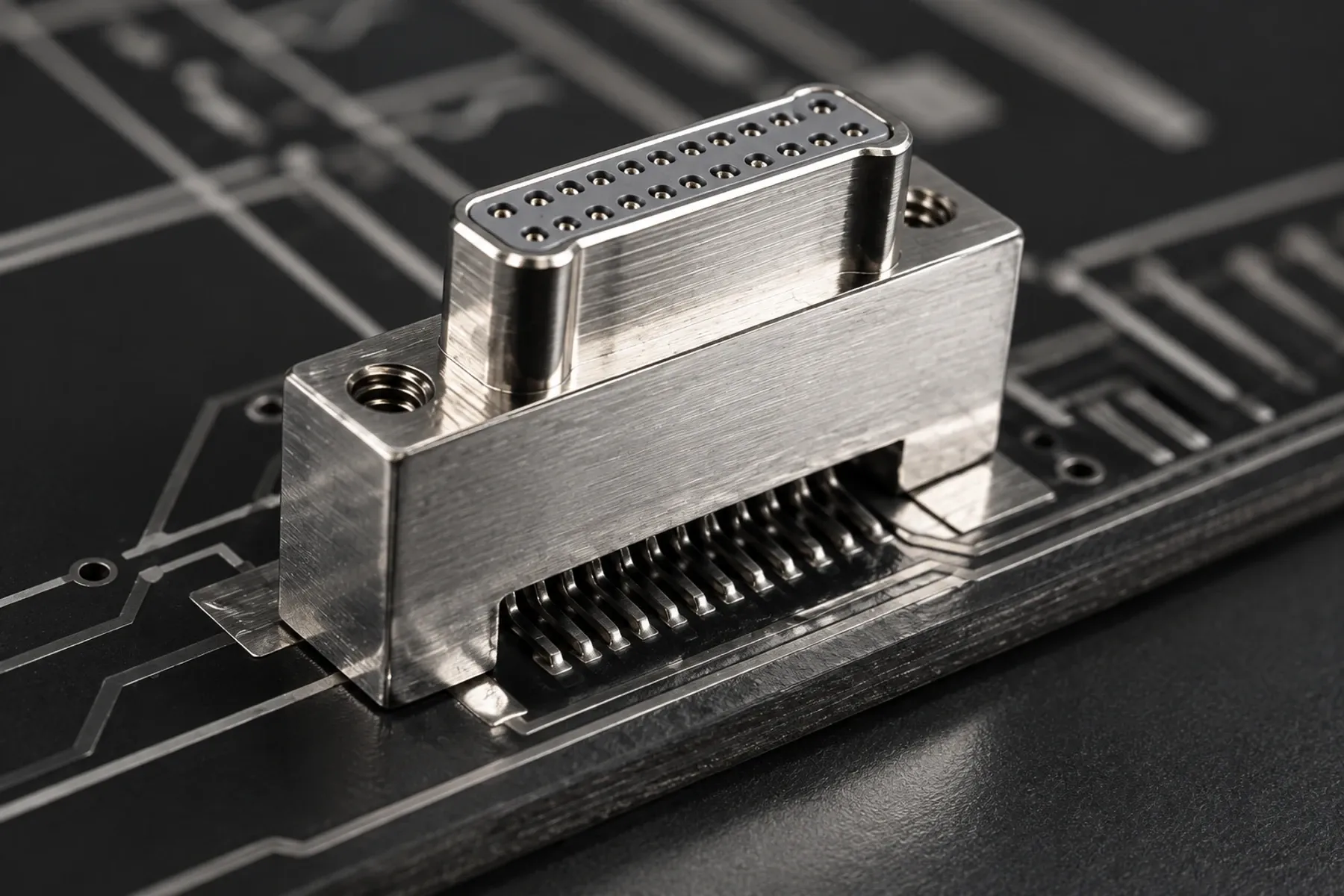
- Small size. The socket is a simple bore, so contacts can sit on a 1.27 mm (Micro-D) or 0.635 mm (Nano-D) pitch.
Twist pin vs stamped or machined spring contacts
In most connectors the socket carries the spring (a slotted tulip or a stamped leaf). In a twist-pin system the spring is in the pin and the socket is rigid. That keeps the socket compact and makes the contact tolerant of small misalignments.
What to consider
- Plating: twist pins are gold-plated for low contact resistance at low signal levels.
- Mating cycles: standard Micro-D versions are rated 500 cycles; designs such as J30JZ are rated for longer life.
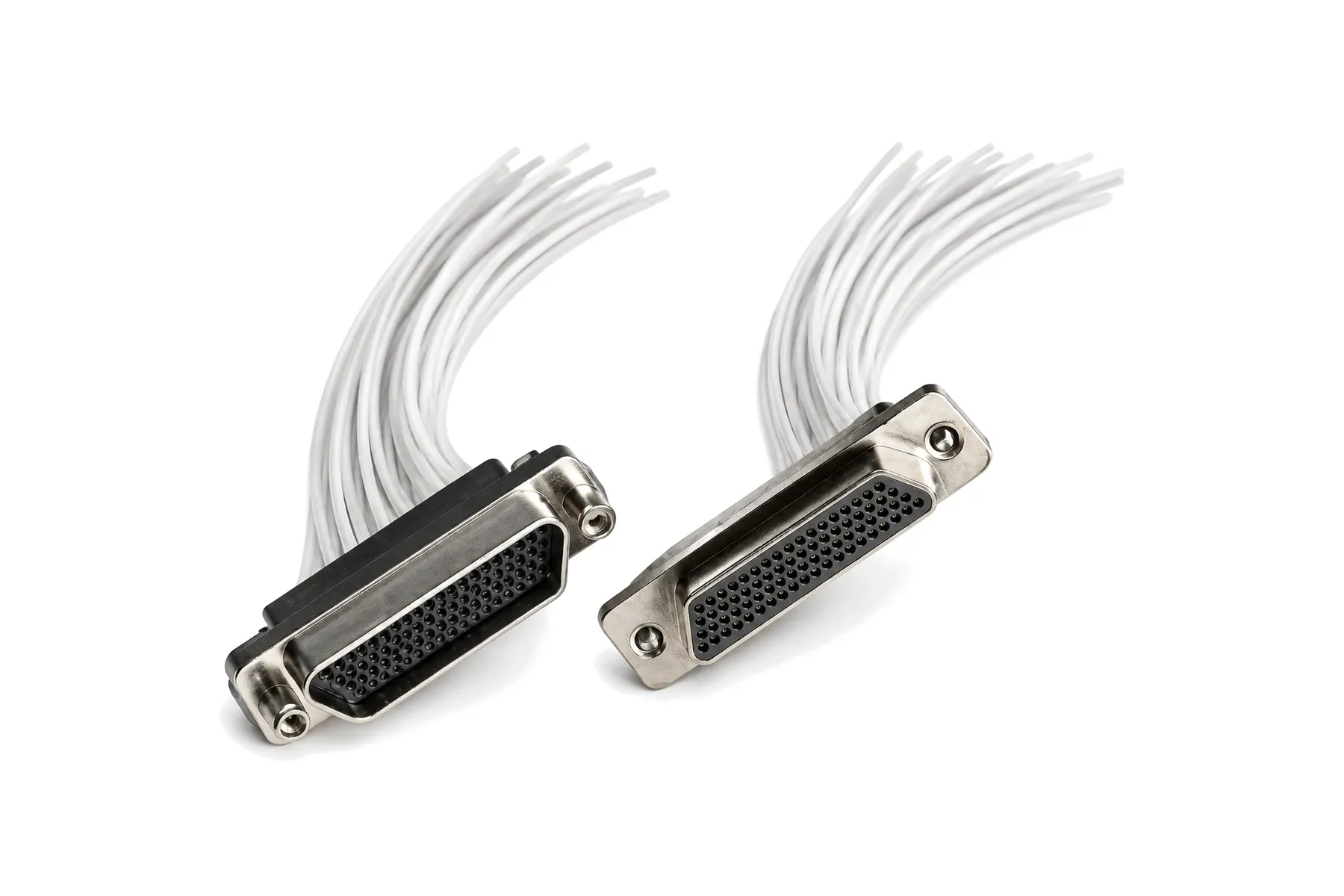
- Wire size: twist-pin Micro-D contacts are usually supplied pre-wired or for PCB mounting because the crimp area is very small.
Our J30J, J30JZ and J7245 series all use gold-plated twist-pin contacts.