Subsea and marine · Updated 2026-09-28
Rubber-Molded vs Metal-Shell Underwater Connectors
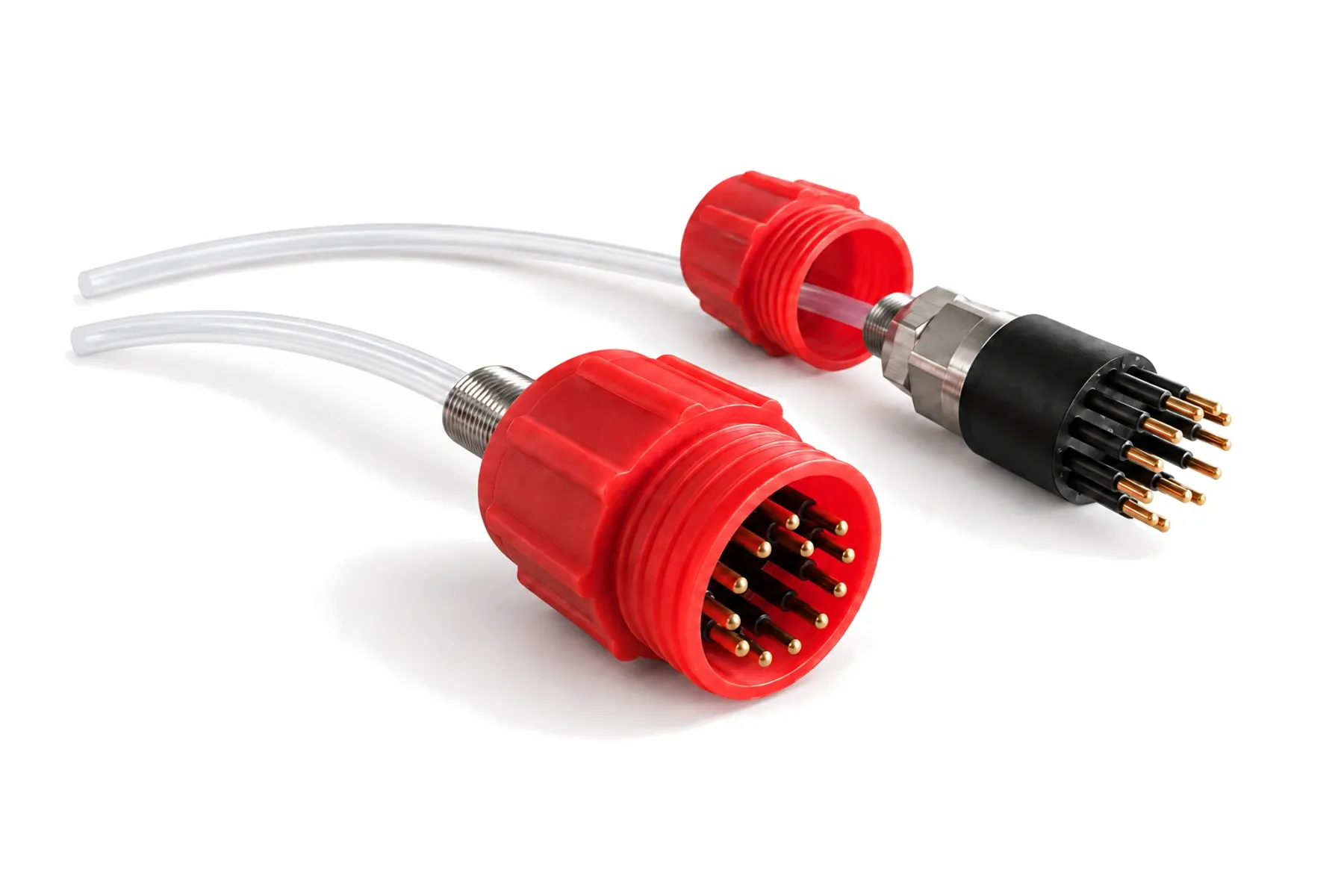
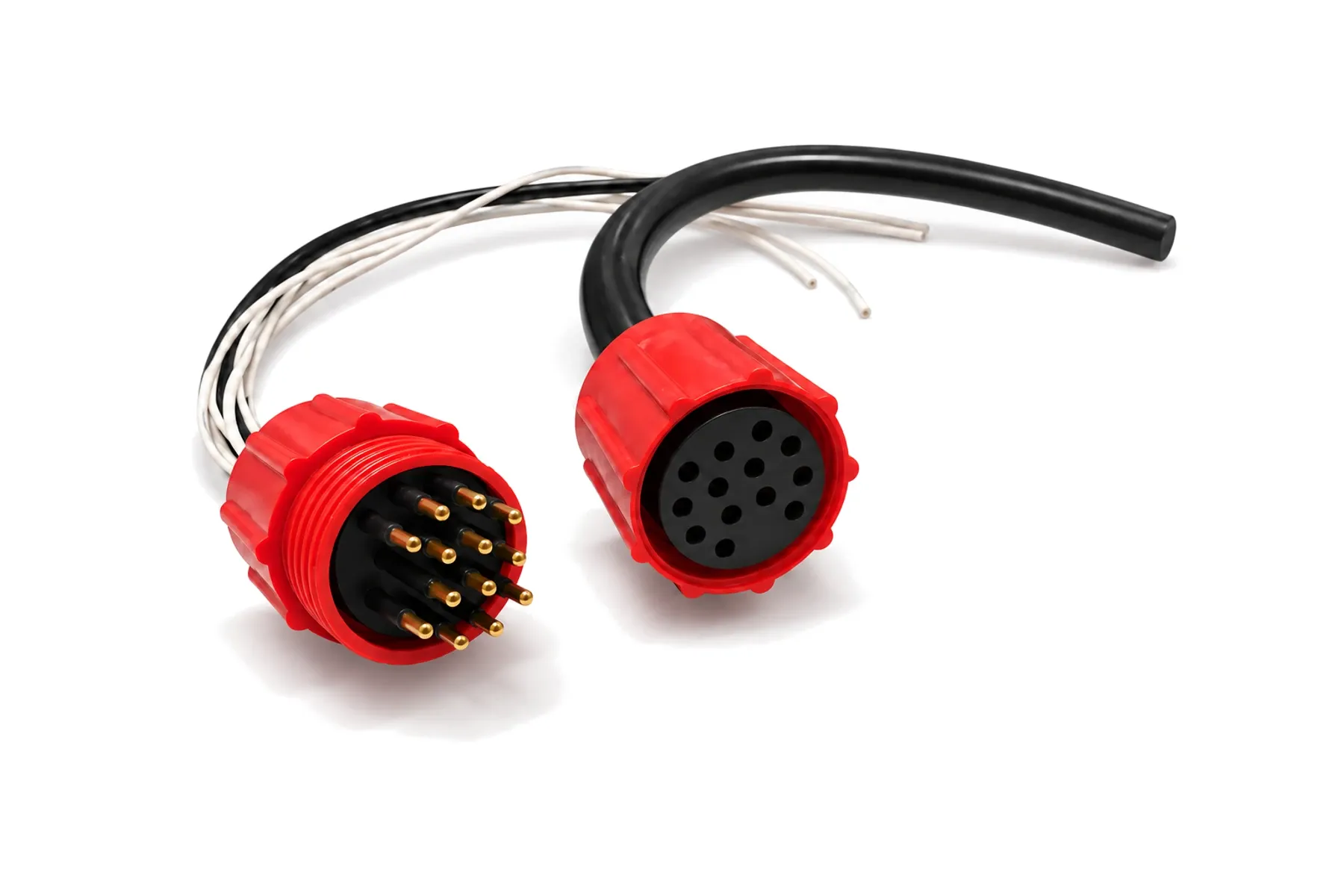
Rubber-molded connectors
The contacts sit in a molded rubber body; the cable is molded into the plug. Examples: SHX33, SHX34, SHX35 and the rectangular SHX30.
Strengths
- Very high depth ratings — 7000 m for our SHX33/34/35 families;
- wet-mateable (water on the contact faces is displaced during mating);
- simple, light and corrosion-free, because there is little or no metal exposed;
- good for sensors, cameras, lights and ROV/AUV instruments.
Limits
- The rubber body is less robust to impact and abrasion;
- larger contact counts and high currents need bigger bodies;
- locking sleeves are needed where cables may be pulled.
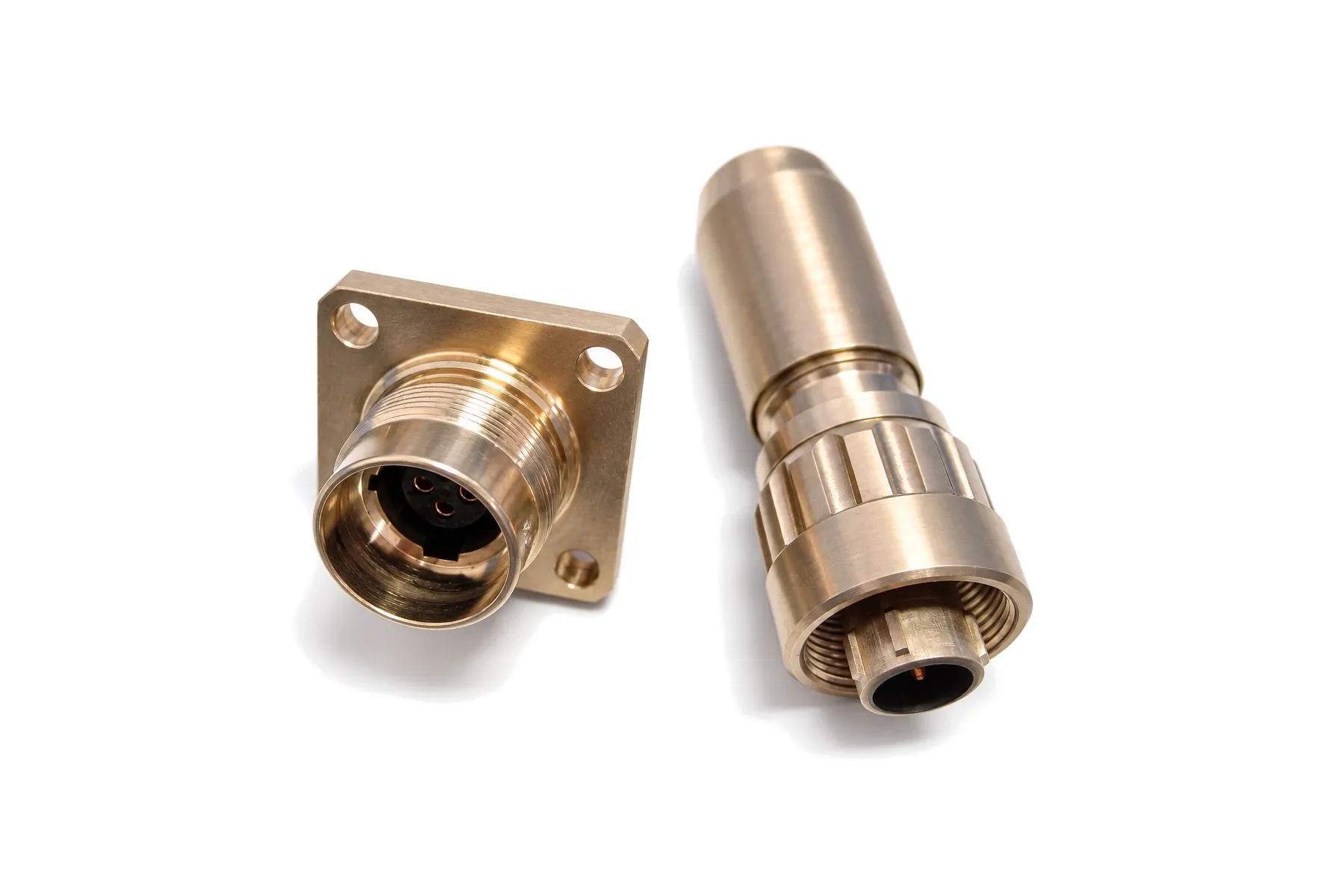
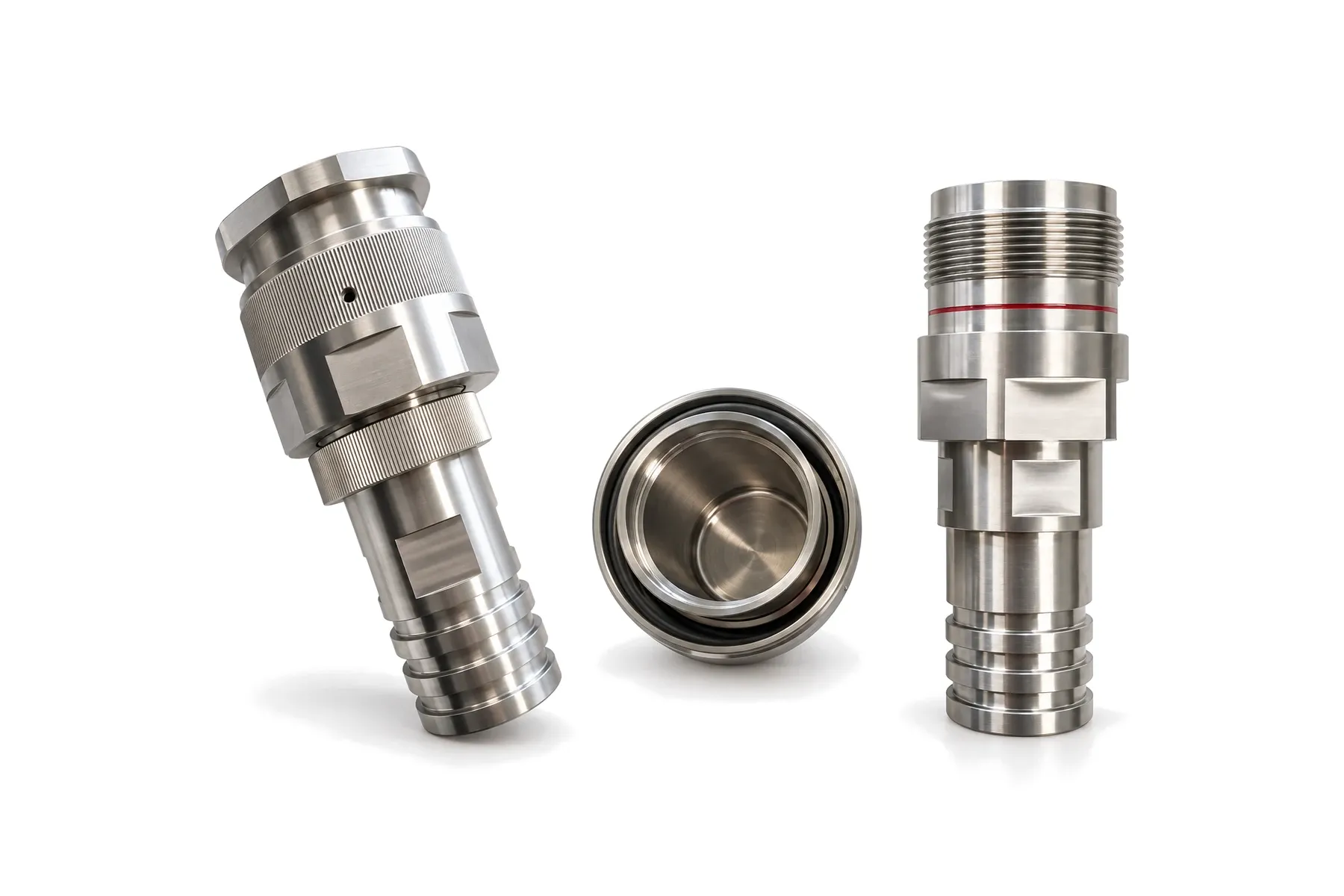
Metal-shell connectors
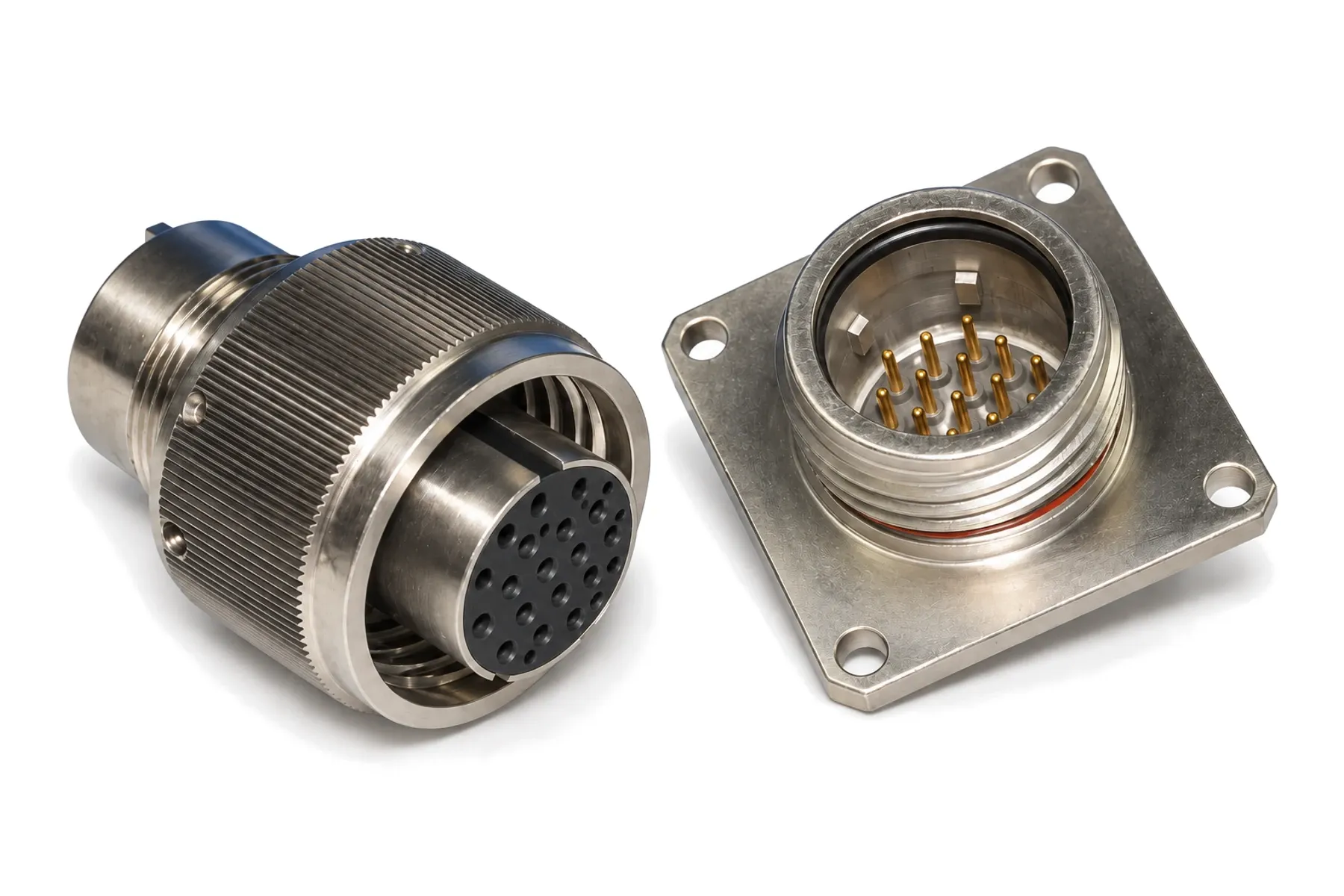
A titanium, stainless or aluminum-bronze shell carries the insert; seals are O-rings and face seals; cables are molded or vulcanized to a backshell. Examples: SHX4, SHX13, SHX27 and SHX10.
Strengths
- Mechanical strength and positive threaded locking;
- higher currents (SHX4 contacts to 115 A; SHX27 main contacts at 6000 VAC);
- options such as glass-sealed receptacles (SHX10) that stay gas-tight when unmated;
- field-serviceable mechanical backshells.
Limits
- Heavier; metal must be matched to seawater (titanium or suitable bronze and stainless grades);
- depth ratings depend on shell and seal design.
How to choose
| Need | Better fit |
|---|---|
| Deepest ratings, light instruments | Rubber-molded |
| High current or voltage | Metal shell |
| Rough handling, threaded locking | Metal shell |
| Mating with water on the faces | Rubber-molded (SHX27 metal shell also wet-mateable) |
| Gas-tight receptacle | Metal shell with glass seal |
Send us depth, current, contact count and cable type and we will suggest a suitable configuration.