Sealing and environment · Updated 2026-09-28
Explosion-Proof Connectors: Ex d vs Ex e, Gas Groups and T-Classes
Reading an Ex marking
Take Ex db IIC T6 Gb as an example:
| Part | Meaning |
|---|---|
| Ex | Explosion-protected equipment |
| db | Protection type: flameproof enclosure (“d”), level b |
| IIC | Gas group: IIC (hydrogen, acetylene) — also covers IIA and IIB |
| T6 | Temperature class: maximum surface temperature 85 °C |
| Gb | Equipment protection level for gas, high protection (typically Zone 1) |
Protection types for connectors
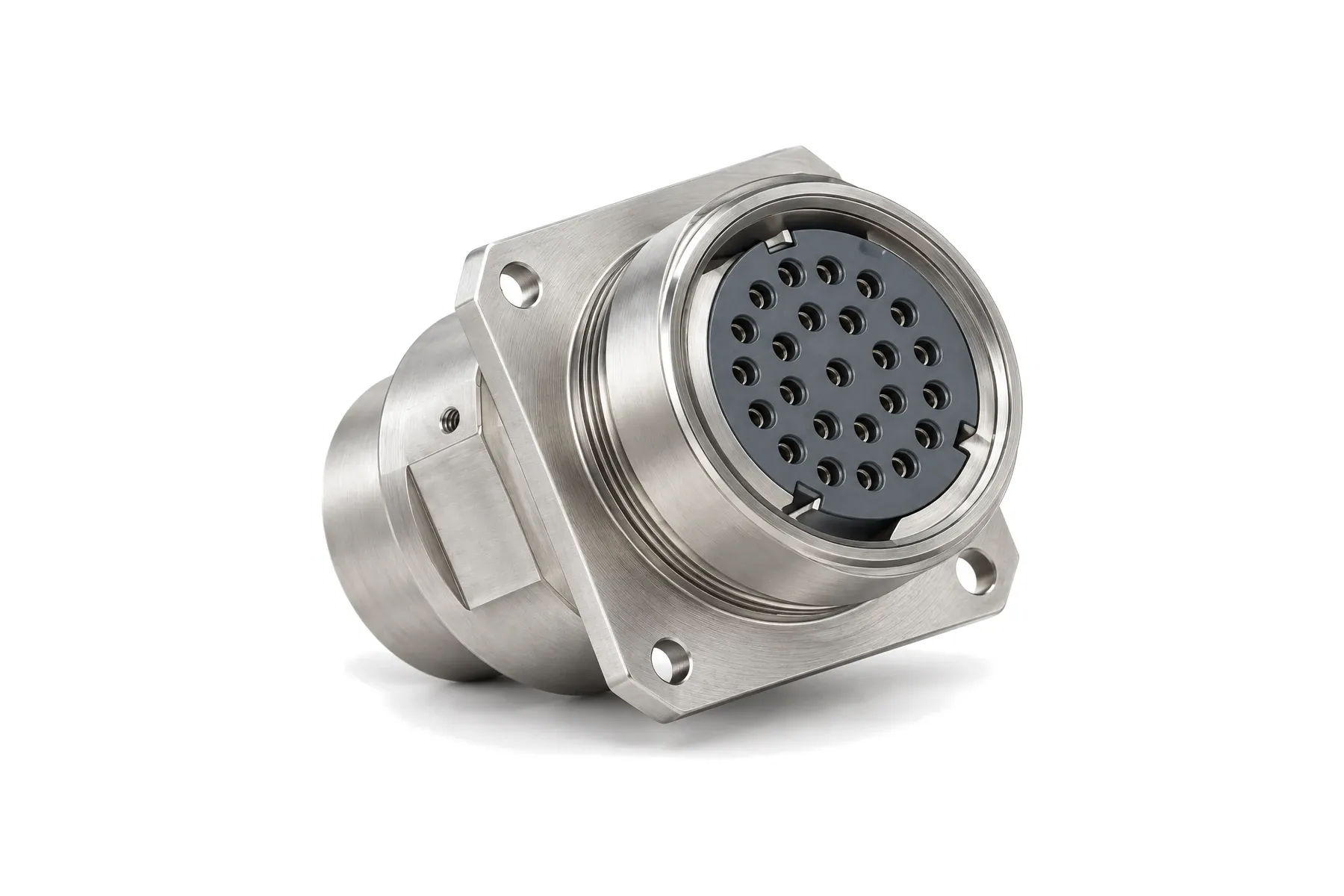
- Flameproof (Ex d): the enclosure can contain an internal explosion of gas that has entered it, and the flame paths cool the escaping gas so it cannot ignite the atmosphere outside. Our FBG connectors are Ex db IIC T6 Gb.
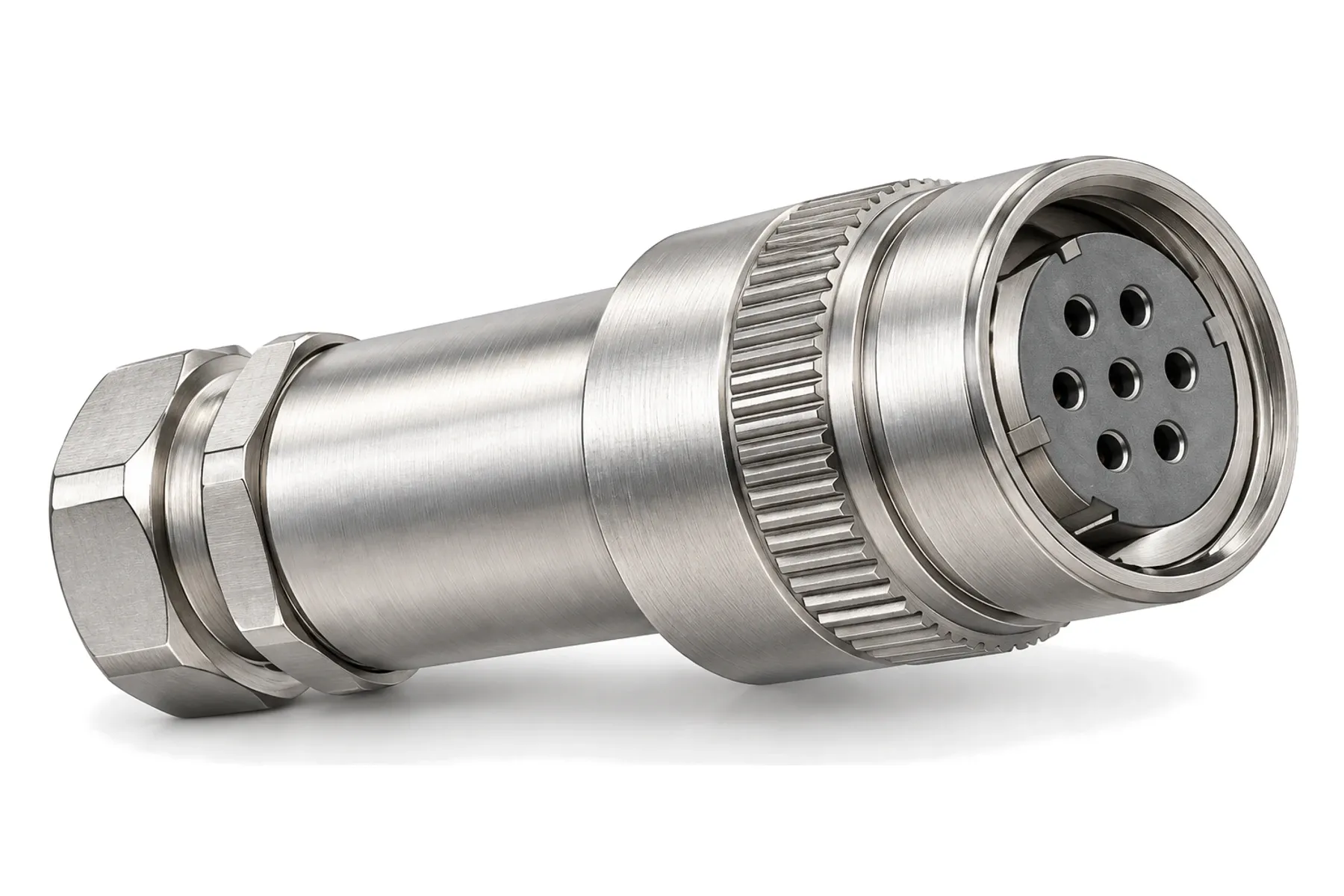
- Increased safety (Ex e): the design prevents sparks and hot spots in normal operation through insulation material, creepage and clearance distances and secure contacts. Our FBZ connectors are Ex ec IIC T4 Gc and sealed to IP68.
Temperature classes
| T-class | Max. surface temperature |
|---|---|
| T1 | 450 °C |
| T2 | 300 °C |
| T3 | 200 °C |
| T4 | 135 °C |
| T5 | 100 °C |
| T6 | 85 °C |
The equipment’s T-class must be at least as strict as the ignition temperature of the gas present requires.
Component certificates
Connectors are usually certified as Ex components (certificates ending in “U” or “X”). They cannot be used alone: the complete equipment must be certified. Our FBG and FBZ connectors hold Ex component certificates to the Chinese GB 3836 standards, which are aligned with IEC 60079. Tell us which certification scheme your project needs and we will review it with you.
Safe use
- Never mate or unmate under load in a hazardous area.
- Keep flame-path surfaces clean and undamaged.
- Use certified cable glands where required (FBG -ZJ version).